Tag: Wales
-
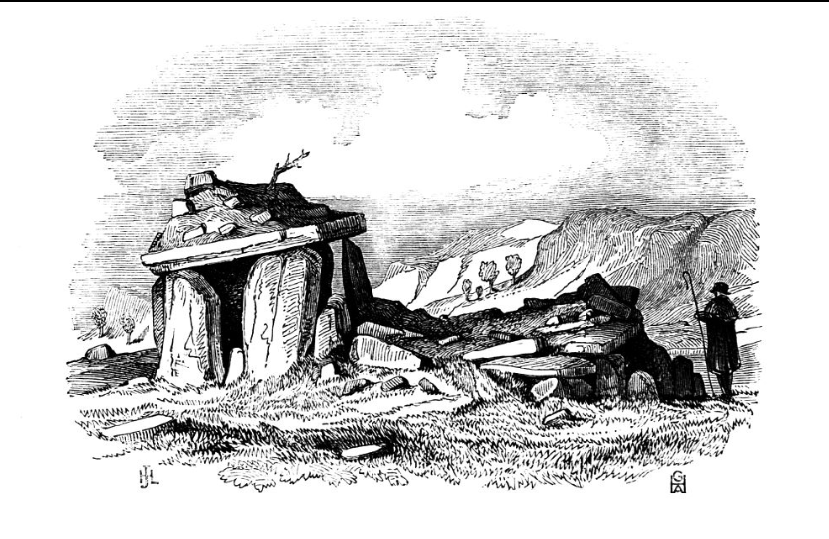
Early archaeology in Wales: the ‘Precambrian’ era
The Cambrian Archaeological Association, established in 1847, was the first society devoted to the study of archaeology of Wales. This piece aims to tell the story of archaeology before that date. Archaeology, in the sense of the systematic study of the material remains of prehistoric and early historic times, can hardly be said to have…
-
The Cambrian Archaeological Association in the 19th century
The first society in Wales devoted to the study of archaeology, the Cambrian Archaeological Association, was founded in 1847, largely through the efforts of two Welsh clergymen, Rev. Harry Longueville Jones (1806-1870) and Rev. John Williams, ‘Ab Ithel’ (1811-1862). Longueville Jones, London-born and not a Welsh speaker, had led a varied life: he was educated…
-

A black hole in green transport?
An anecdote is a dangerous base for an argument, I know, but today that’s not going to stop me from a grouse about public transport. Yesterday I needed to get from Mumbles to Cardiff Bay. These days I try to keep the car in the drive, unless there’s no reasonable alternative, and I didn’t think…
-
Yn y Gororau
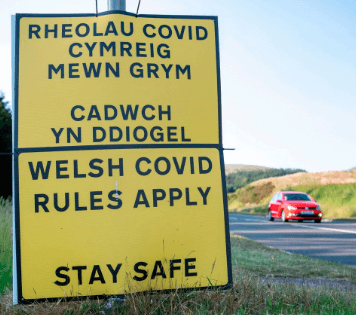
Nid yw’n bosib i Mike Parker ysgrifennu llyfr sych a difywyd, a dyw ei lyfr diweddaraf ar y ffin rhwng Cymru a Lloegr, All the wide borders, ddim yn eithriad. Mae i’r gyfrol strwythur diddorol. Tair rhan sydd ynddi, sy’n gyfatebol i’r tri phrif afon yn ardaloedd y ffin, Afon Dyfrdwy, Afon Hafren ac Afon…
-

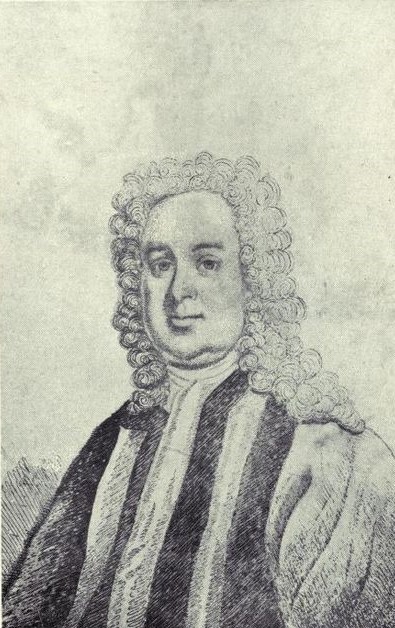
Francis Place, pioneer artist and potter
In the late seventeenth century York was a lively intellectual centre. The York Virtuosi – modesty was not one of their features – were a group of scientists, historians and artists including the zoologist Martin Lister, the antiquarian and historian of Leeds Ralph Thoresby and the glass painter Henry Gyles. Another member was a pioneering…
-
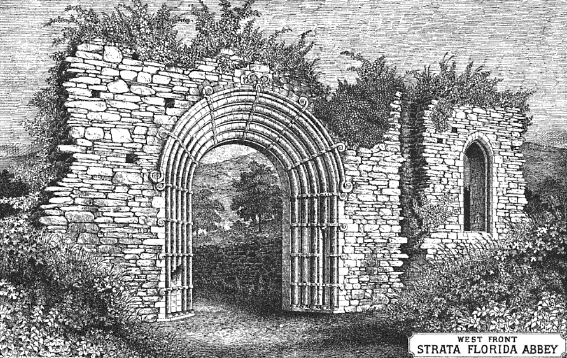
Stephen W. Williams, engineer, architect, archaeologist
His name’s been familiar to me for years, but it’s only in recent months that I’ve got to know him better. In May this year I happened to stay the night in Penralley House, his home in Rhayader, and earlier in our walk up the Wye we passed Bryn Wern, a country house he designed…
-
Mr Bebb’s dislike of the motor car
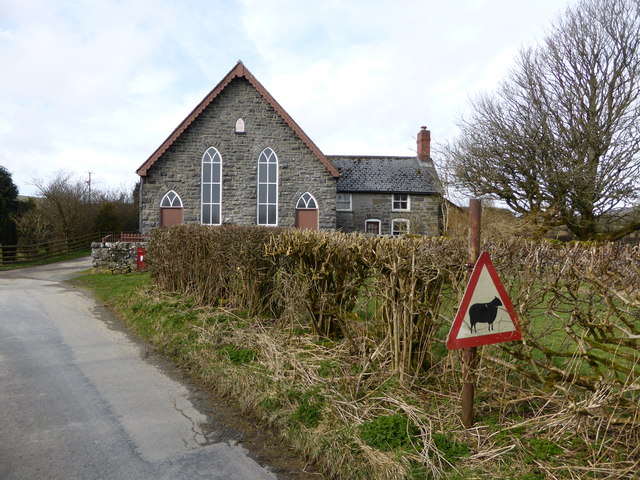
Not many people these days have heard of Ambrose Bebb. Maybe some Welsh speakers, especially following Robin Chapman’s 1997 biography, but very few others. His son Dewi Bebb, the rugby player, and his grandson Guto Bebb, the former MP, are probably much better known. In the interwar period, though, Ambrose Bebb was known for his…
-
John Thelwall at Llyswen
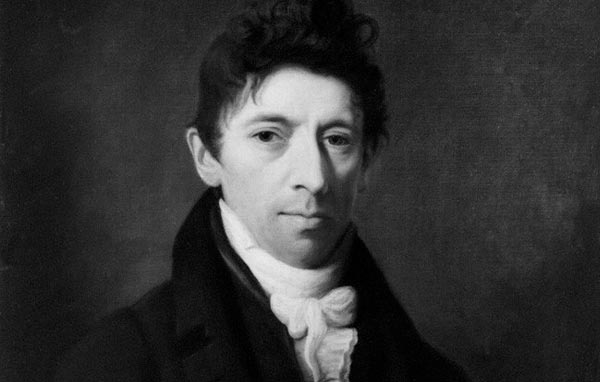
Next week we’ll be completing the Wye Valley Walk, and one of our stops will be the Griffin Inn in the village of Llyswen, on the banks of the Wye half way between Brecon and Builth. Years ago, my colleague Jean Dane and I would often pause there for a coffee on our way from…
-
Dear Rowan, dear Laura
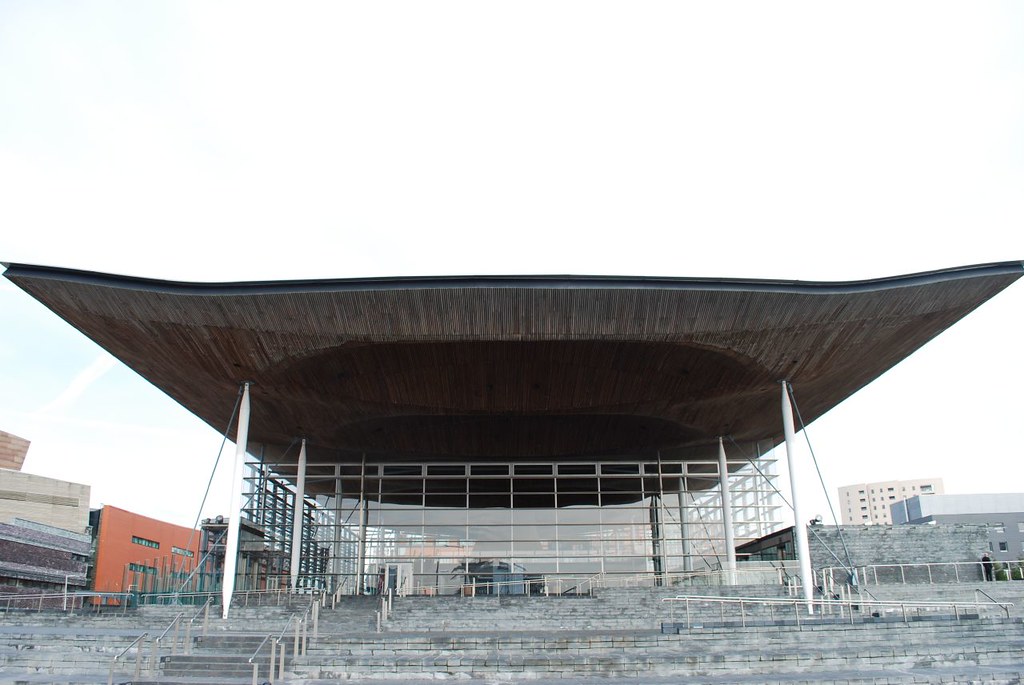
What sort of country do we want Wales to be in future? Rowan Williams and Laura McAllister have recently invited us to answer that question. They are the joint chairs of the Independent Commission on the Constitutional Future of Wales, a group set up in 2021 by the Welsh Government to come up with options…
-
Melesina Bowen’s ‘Ystradffin’
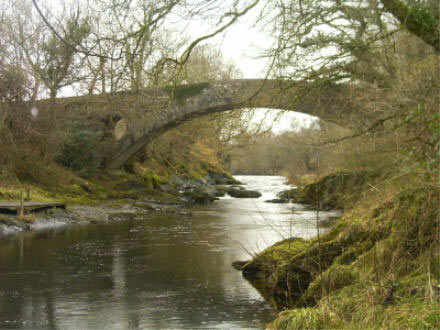
In recent years many Welsh women poets of the past have been rescued from the condescension of posterity, not least in the anthology edited by Katie Gramich and Catherine Brennan. But one of them has so far escaped much attention. In 1839 Melesina Bowen published an unusual topographical poem in English called Ystradffin. It deserves…