Author: Andrew Green
-
Wye Valley Walk, day 12: Rhayader to Llangurig
We gather at the town clock. It looks at first sight as if it’s one of the family of Victorian town clocks at the centre of many mid-Wales towns, but the Rhayader example dates from 1924 and acts as a memorial to the dead of the First World War. On each face are stone relief…
-
Wye Valley Walk, day 11: Newbridge-on-Wye to Rhayader
Sun and warmth have returned. We’re taxi’d back from Rhayader to Newbridge for a rather longer walk than yesterday’s. We wait on the bridge, and immediately spot our first kite of the day. As well as A we’re joined by a second guest, J. The four of us start on a minor road below the…
-
Wye Valley Walk, day 10: Builth Wells to Newbridge-on-Wye
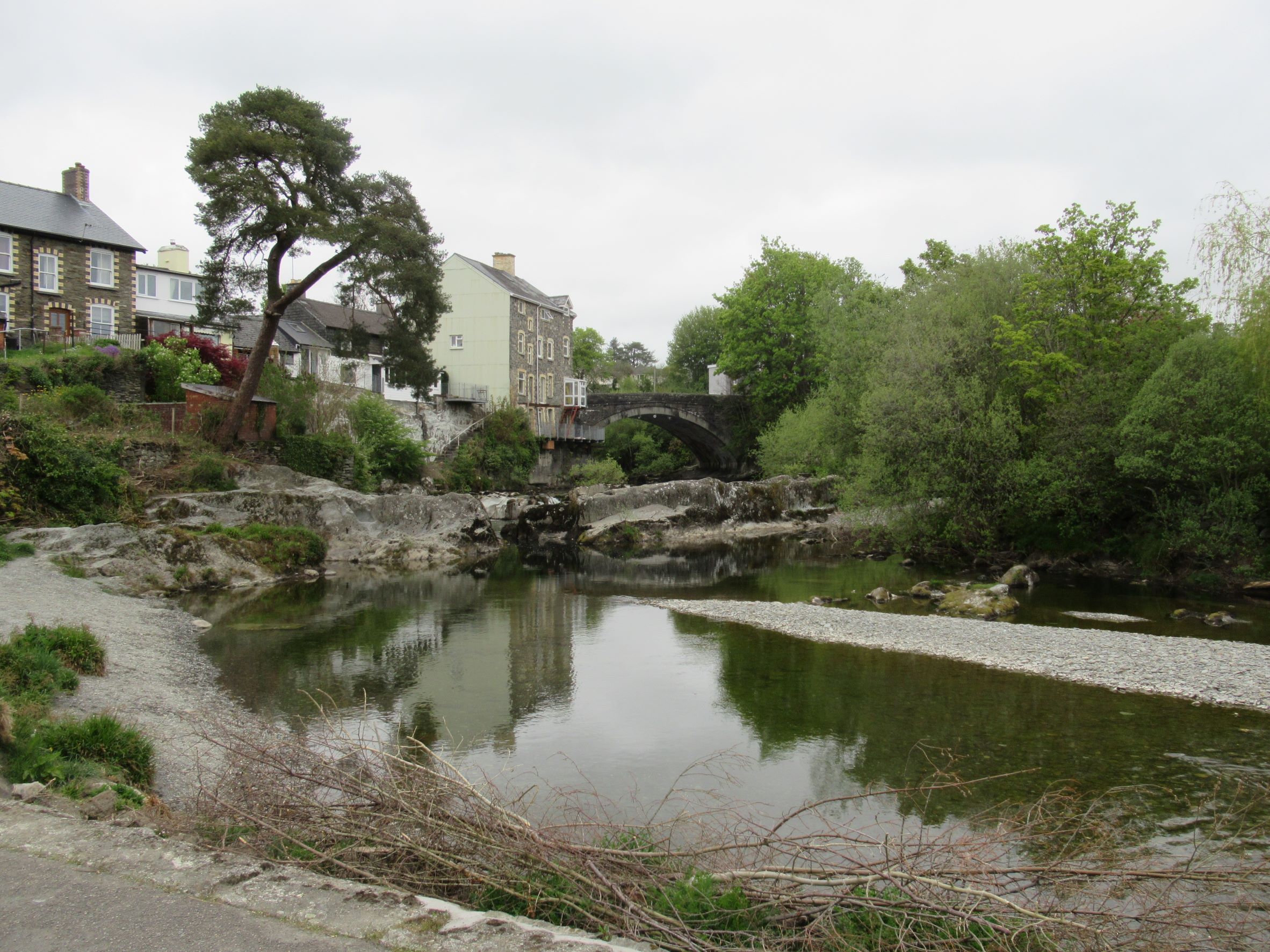
We’ve been given a short stretch today after yesterday’s labours. The owner of the guest house waves us off. We’re too late to see the otters, he says, but we might consider a dip in Plum Tree Pool, a few miles upriver. Luckily I’ve left my swimming trunks behind. The sky has heavier clouds than…
-
Wye Valley Walk, day 9: Boughrood to Builth Wells
At breakfast we resume our conversation with another Two Women. This time they’re trail riders (I detect a wince when I let slip the term ‘pony trekkers’). We saw them twice yesterday, next to the river. They’ve come from Hay, their borrowed horses are spending the night in a nearby field, and in the morning…
-
Wye Valley Walk, day 8: Hay-on-Wye to Boughrood
Hay looks unbookish today. It’s a few weeks before the Literature Festival gets under way. The bookshops are open, but there aren’t enough visitors in town to make them look busy. Other shops look closed or hibernating, waiting for the end of May. But we’re here, C and I, back to start the Wye Valley…
-

Swansea and Chile: exploitation, sanctuary, fulfilment
The Glynn Vivian has a show of work from its collection on the theme ‘art and industry’. It’s full of wonderful and thought-provoking things: well-known paintings as well as much less familiar items on paper and in other media. A whole wall is taken up with Josef Herman’s massive ‘Miners’ oil painting of 1951, surely…
-
John Thelwall at Llyswen
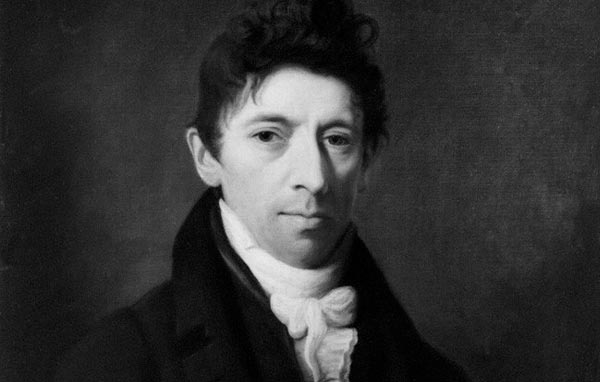
Next week we’ll be completing the Wye Valley Walk, and one of our stops will be the Griffin Inn in the village of Llyswen, on the banks of the Wye half way between Brecon and Builth. Years ago, my colleague Jean Dane and I would often pause there for a coffee on our way from…
-
Y Lôn Goed a’r beirdd
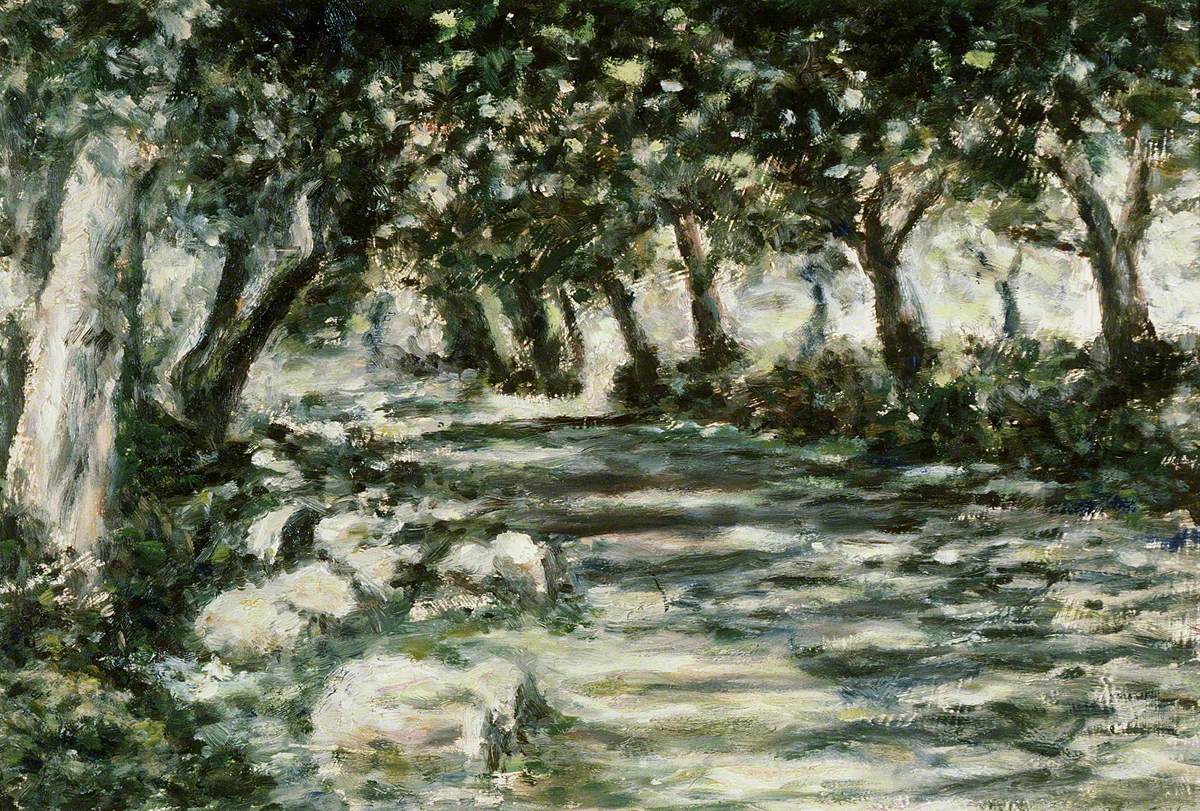
Rhodfa lydan â dwy linell o dderw a ffawydd oedd y Lôn Goed, a dim mwy na hynny, i ddechrau. Enw yn unig oedd y Lôn imi tan y ddiweddar, pan ddarllenais gyfrol ddifyr Rhys Mwyn, Real Gwynedd, a darganfod mai lleoliad go iawn yw hi. Ac yn wir, lleoliad hanesyddol. Fe’i lluniwyd gan John…
-
Funeral notes
It’s been a bad six months for funerals. Maybe the Grim Reaper has been busier than usual lately. More likely, I’m now entering that danger zone of an age when I can expect him to visit my friends and acquaintances more often. One consolation, if you can call it that, is that experiencing so many…
-
Dear Rowan, dear Laura
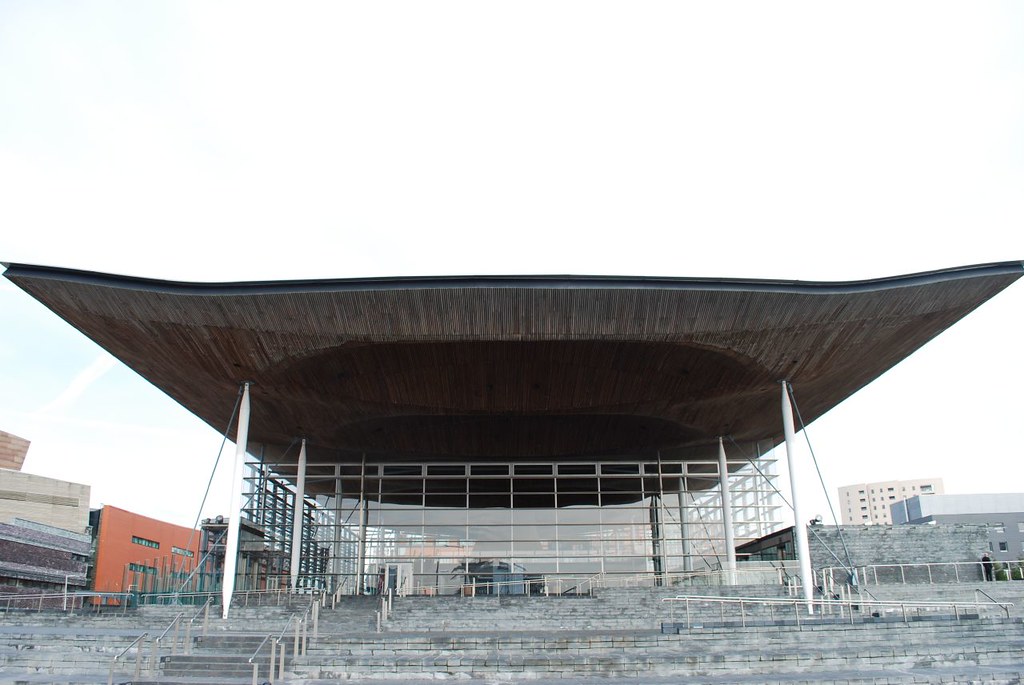
What sort of country do we want Wales to be in future? Rowan Williams and Laura McAllister have recently invited us to answer that question. They are the joint chairs of the Independent Commission on the Constitutional Future of Wales, a group set up in 2021 by the Welsh Government to come up with options…