Category: art
-
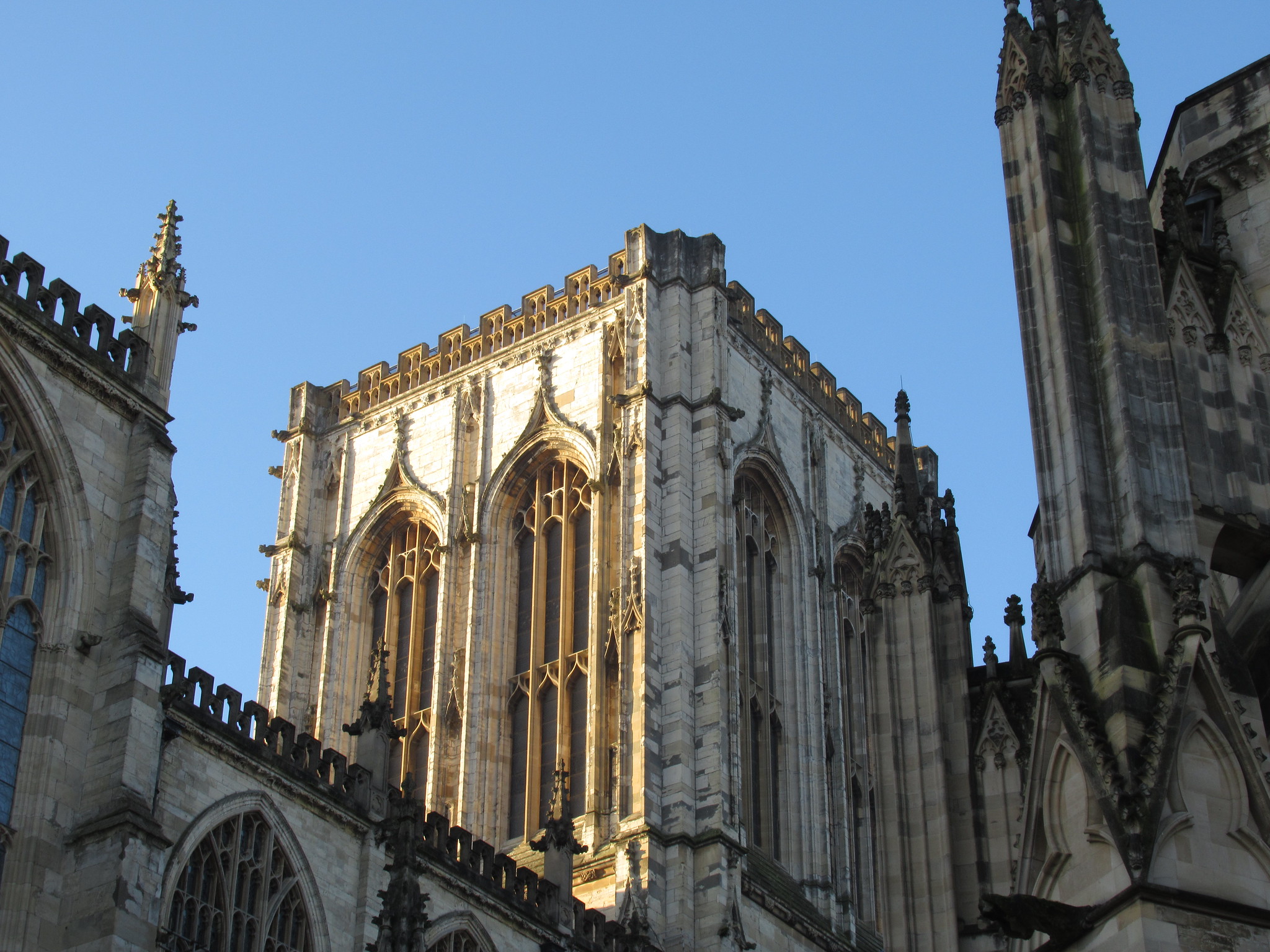
Farewell to Yorkshire
My parents used to tell me that when I was small I’d tell them that York Minster was, in my opinion, the best building in the world. Of course, I’d not seen much of the world then, just bits of Yorkshire and Scotland. But I didn’t let that shake my boyish confidence. After all, I…
-
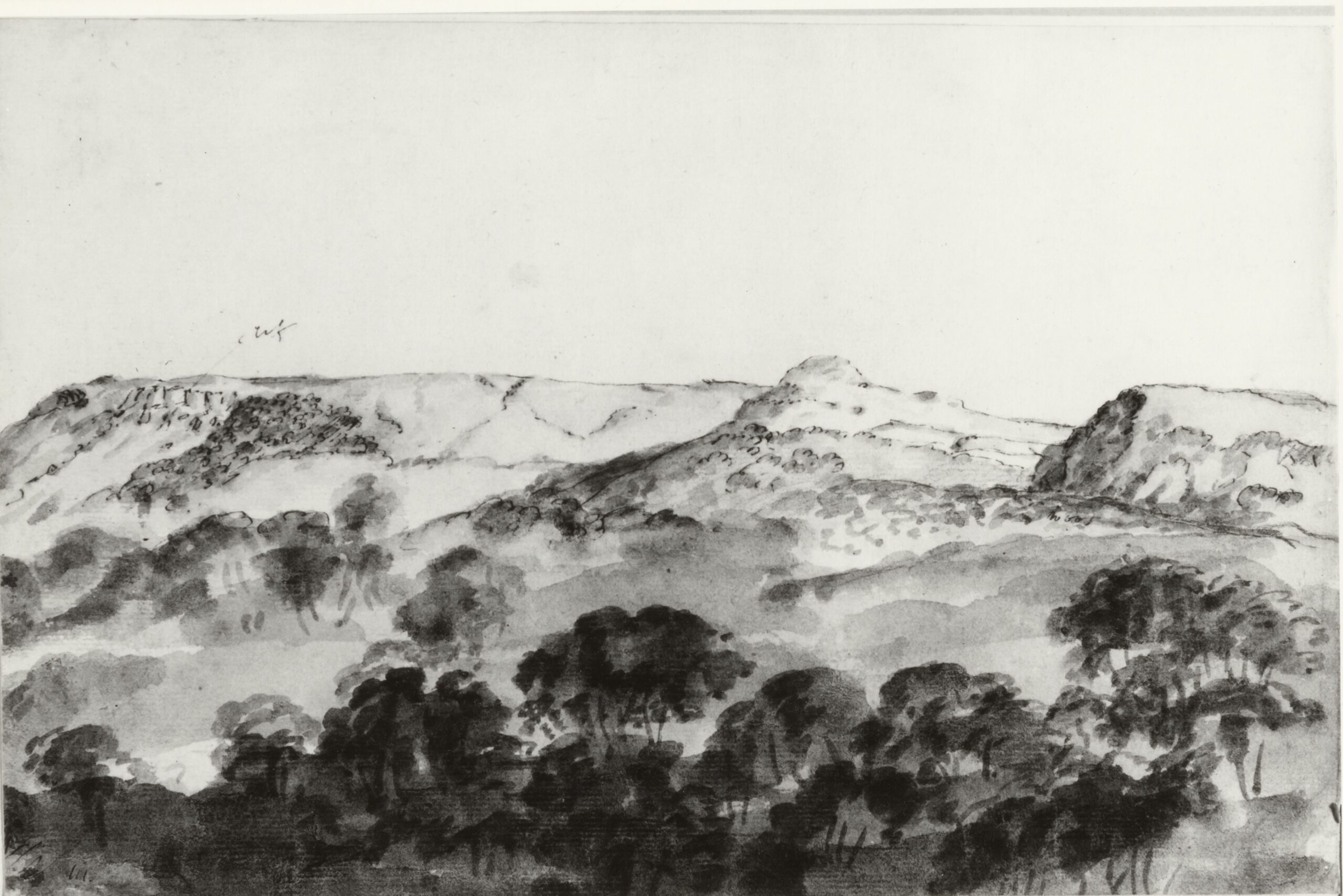
Francis Place at Coxwold
I’ve written before about Francis Place, late seventeenth century artist and potter, and about Coxwold in north Yorkshire. This piece brings the two together. Place was a landscapist ahead of his time, in vision (he anticipated the watercolour painters of the second half of the eighteenth century) and also in method (he walked for long…
-
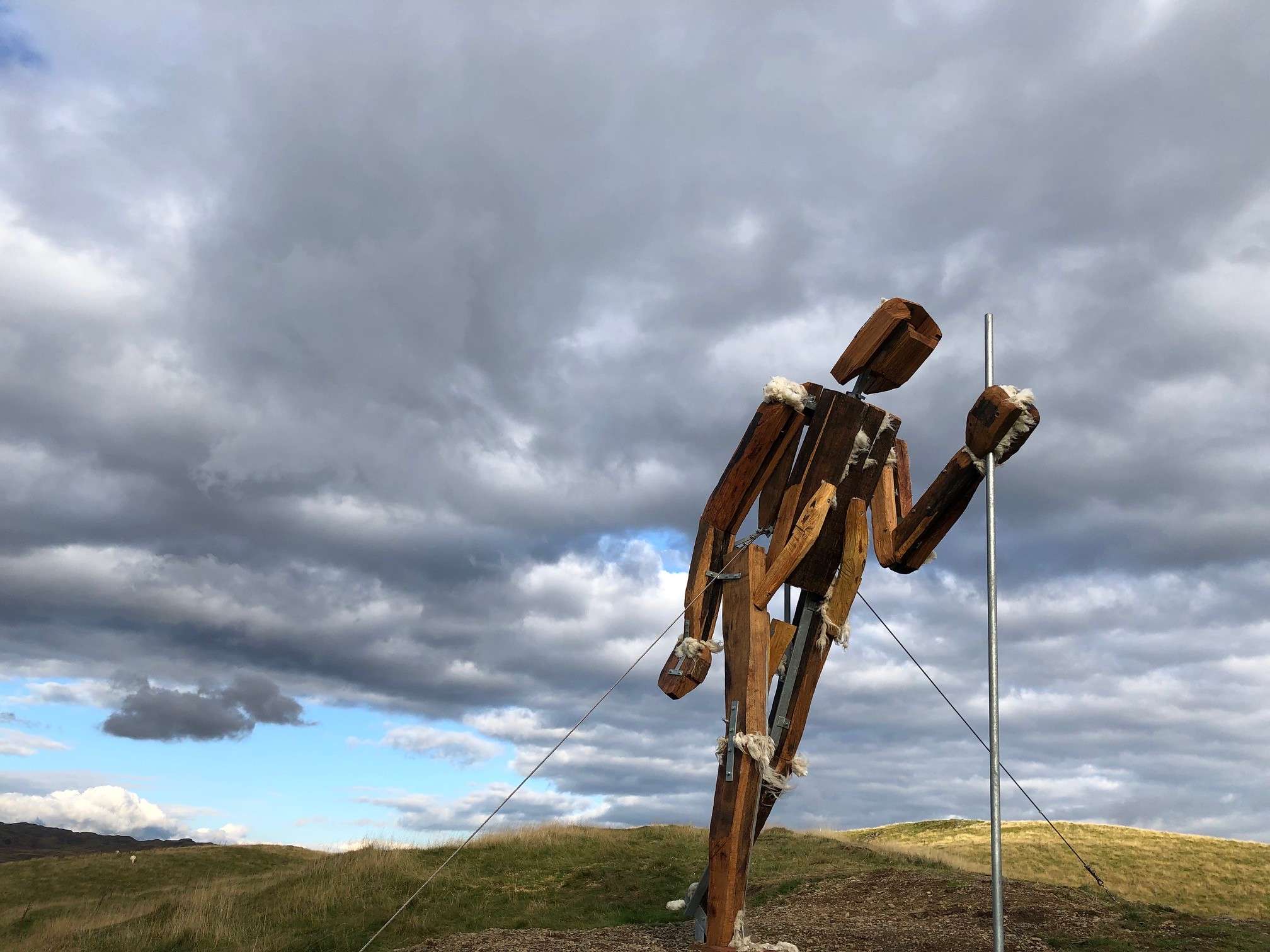
How to make an icon
The three of us were talking, as we strolled along the front at Porthcawl the other day, about modern icons. J. had just been for a return visit to Newcastle-upon-Tyne, so the Angel of the North in Gateshead soon came up in the conversation. Antony Gormley’s great weathered steel figure is over twenty-five years old,…
-
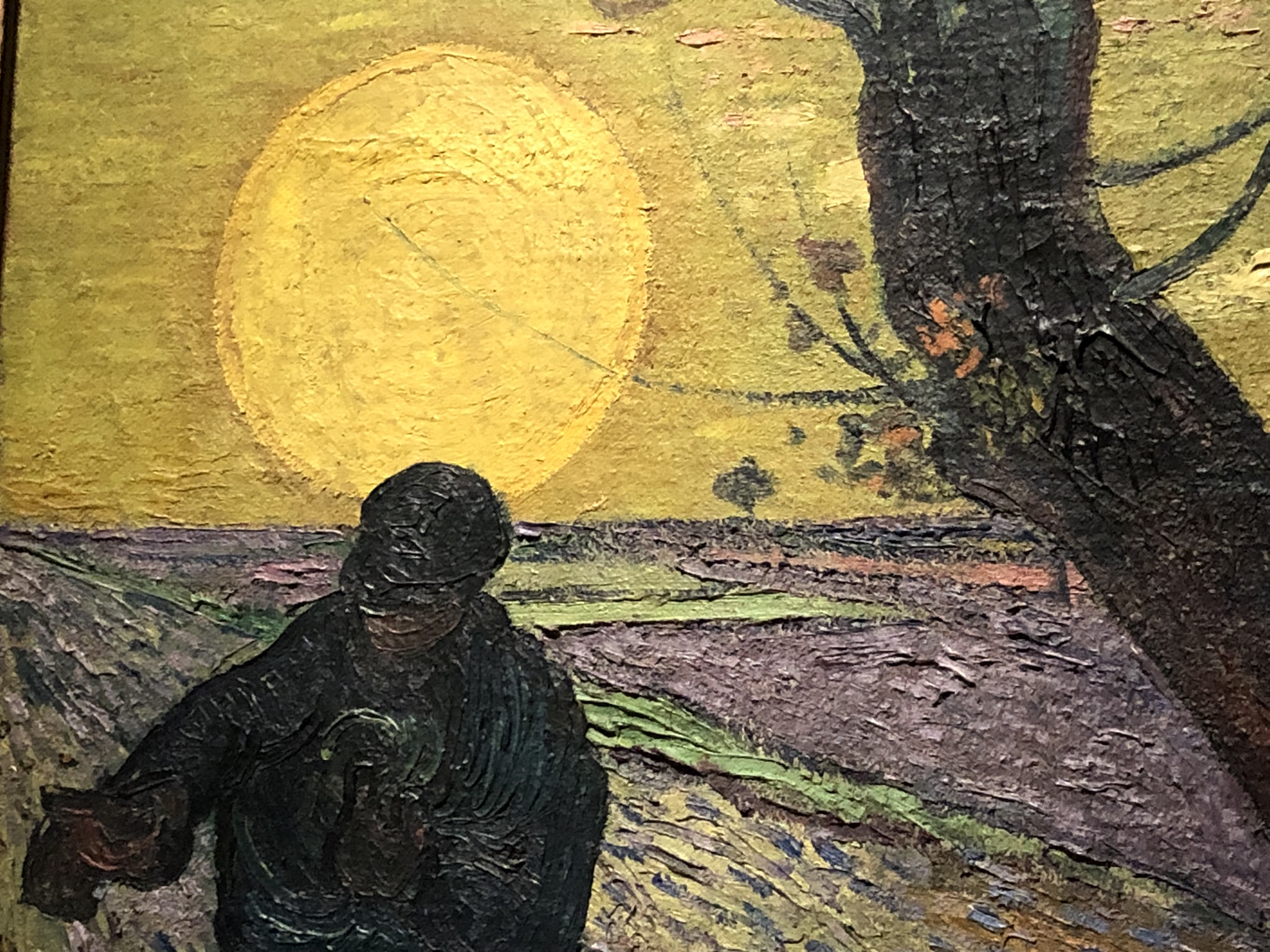
Van Gogh up close
The National Gallery is celebrating its 200th birthday with a very special exhibition. Surprisingly, it’s the first show it’s every mounted devoted to the paintings of Vincent Van Gogh. To be able to look at them intently and quietly, in the privileged conditions of a private view, is quite an experience. The exhibition is special…
-
Blodau a breuddwydion
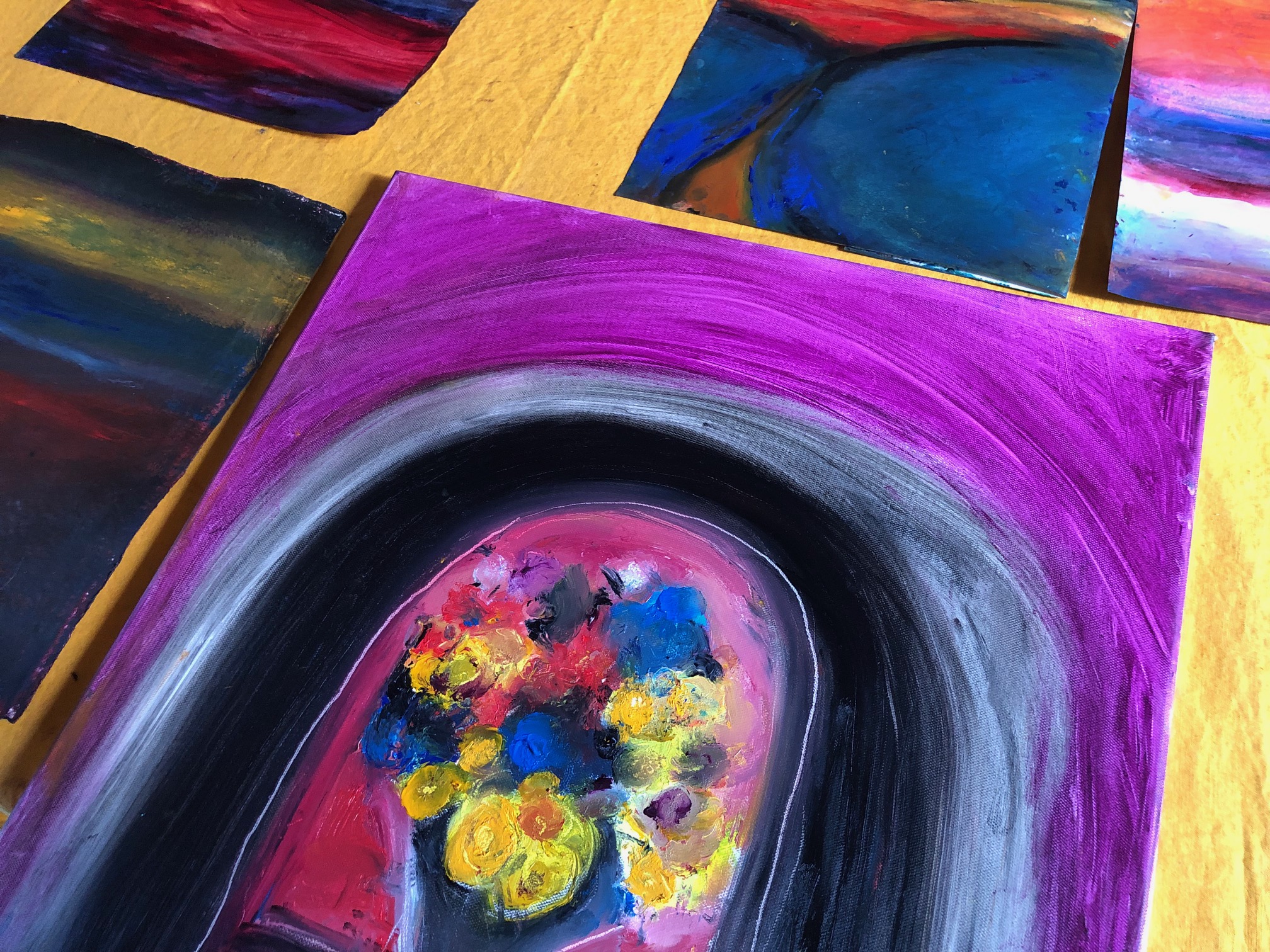
Cysur mawr, yn y cyfnod hwn o boen a galar, yw ymweld â Glenys yn ei thŷ yn y Mwmbwls â’i olwg digymar dros Fae Abertawe. Dyma ni’n dau’n cerdded lawr ’na amser coffi. Rownd bloc y teras, tu heibio i’r lotments yn haul y bore, trwy’r ardd gyda’i choeden palmwydd a’i cherflyn metal ar…
-
Burying Lucy
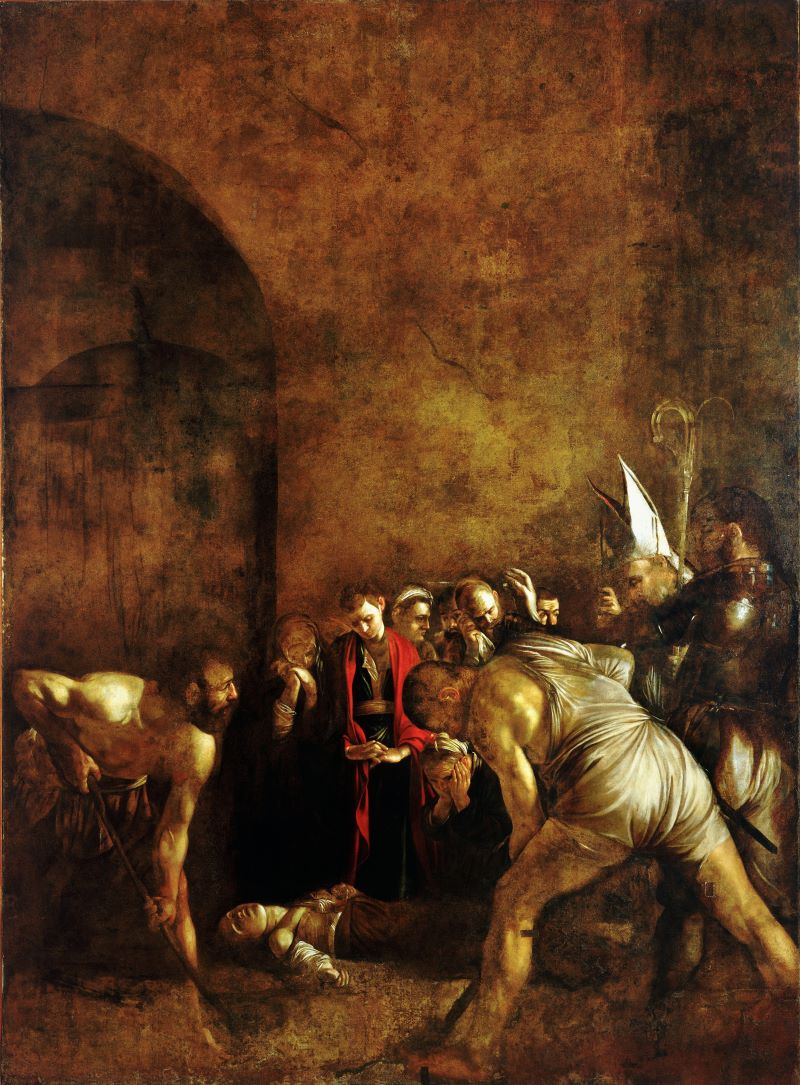
Most visitors to Syracuse stick to Ortygia, the tear-shaped island that was the original site of the Greek colony, and Neapolis, with its large Greek theatre and sculptured caves. The Basilica di Santa Lucia is slightly off the beaten track, and few visitors were there last week. When you’ve been used to the elaborate Baroque…
-
Three solitary figures in a landscape
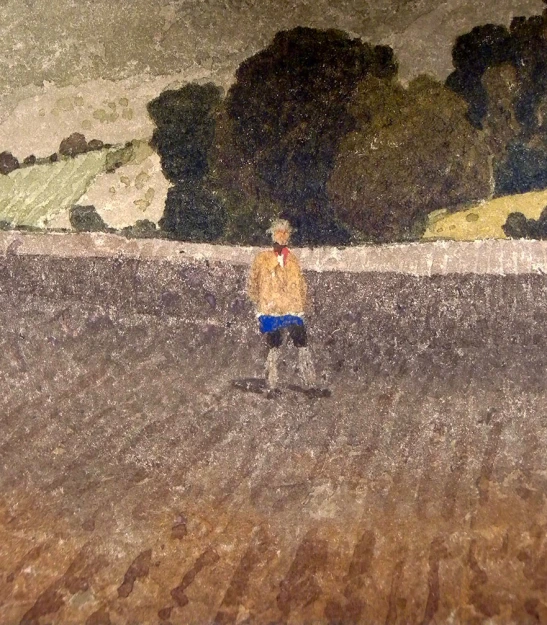
1 Man on a mountain Caspar David Friedrich painted the work usually called The wanderer above the sea of fog in 1818. Though it found little fame at the time, it’s long been seen as the quintessence of German Romanticism in the visual arts. Friedrich was the mountain man of the early nineteenth century. Until…
-
Miss La La at the Cirque Fernando
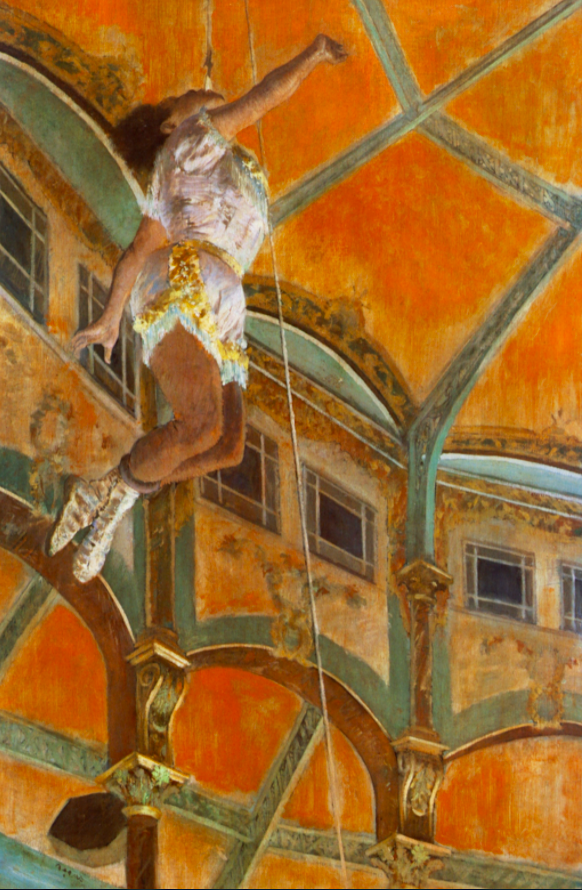
One of my favourite paintings by Edgar Degas is Miss La La at the Cirque Fernando. As well as being one of his boldest – it’s probably one of the most audacious compositions ever painted in the nineteenth century – it has the great advantage of being easily seeable, since it’s usually on display in…
-
Saving the gannets
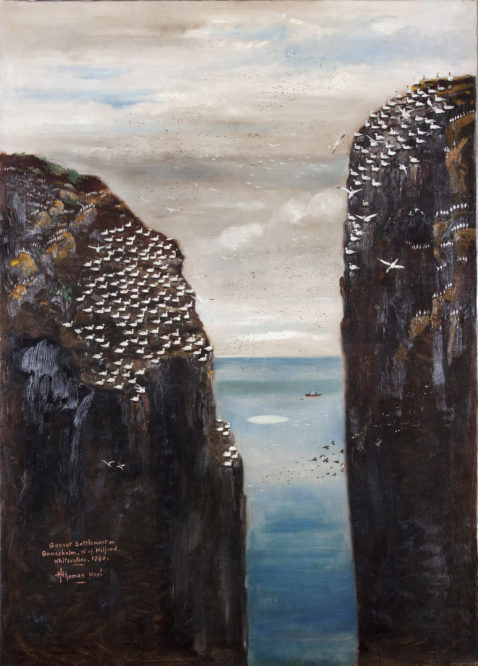
The jaunty oil sketch may look charming, but it conceals an ugly story. It was painted by a well-known Cardiff artist, Thomas Henry Thomas, after a visit he and three friends from the Cardiff Naturalists’ Society made to Grassholm (Gwales) on 26 May 1890. They’d come to study the bird colonies, especially northern gannets and…
-
Still life, still alive
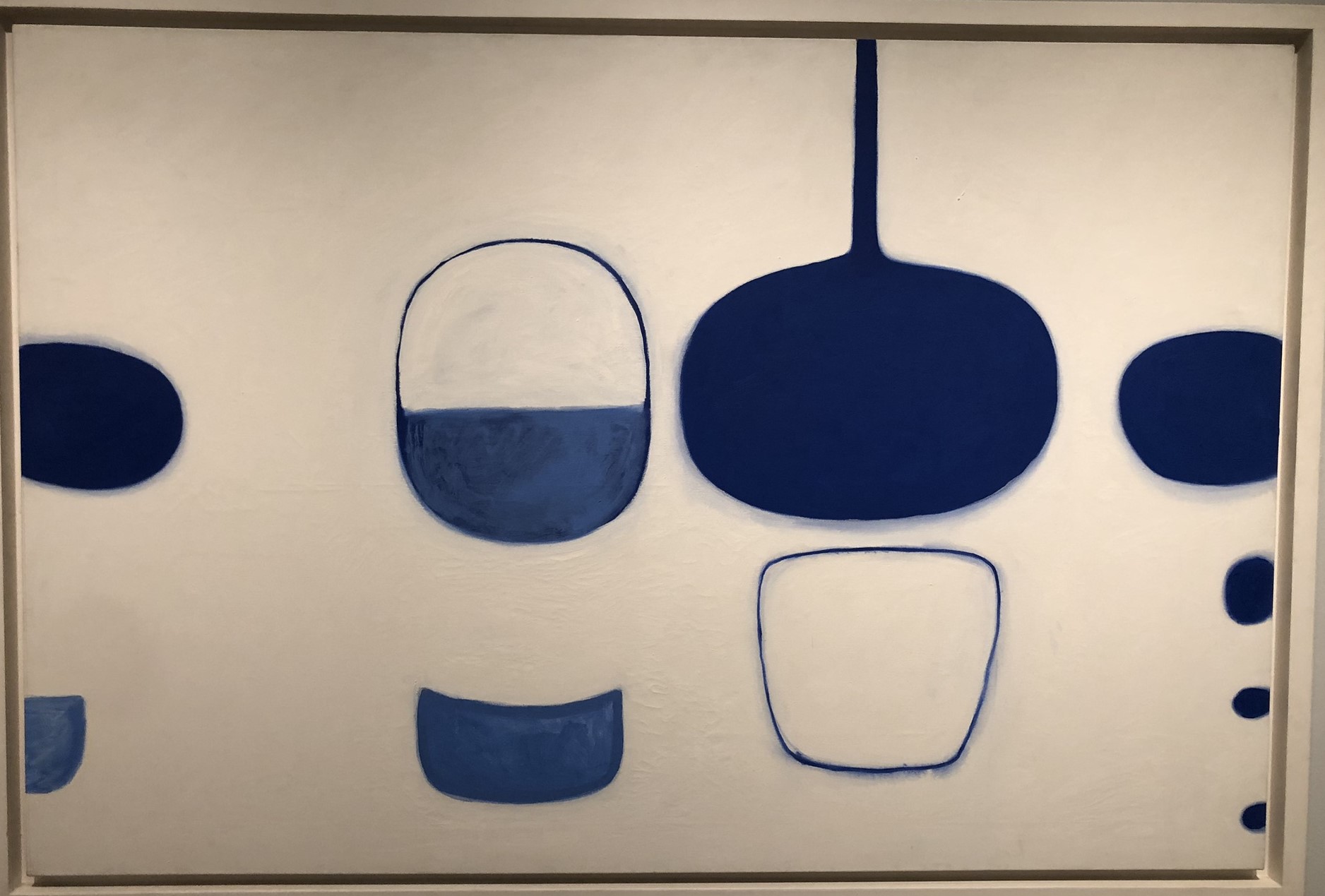
‘Still life’ is a paradox. Can something that’s still or unmoving be alive, especially if it’s a dead creature or an inanimate object? The French equivalent, nature morte, is equally stark in its self-contradiction. But the term isn’t the only paradox. One of the reasons why the still life has had such a long history,…