Author: Andrew Green
-
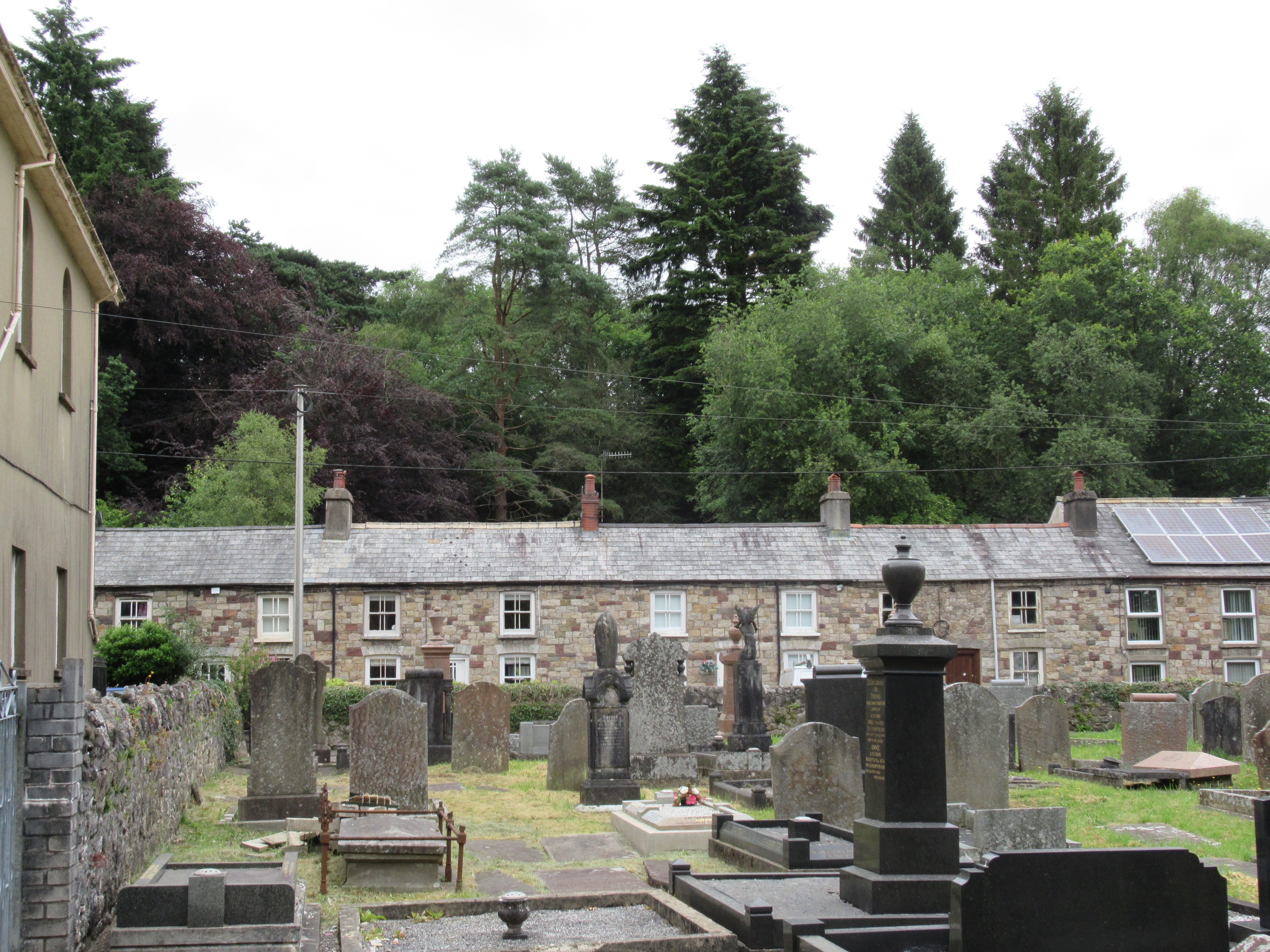
North from Cwmgïedd
Some of the solo days out I remember best are the result of fleeing from some ‘unmissable’ public event. The marriage of Charles Windsor and Diana Spencer on 29 July 1981 was the excuse for a blissful day-long bike ride, from Hereford to Cardiff via the Wye valley, when the lanes were emptied of cars…
-

Yn erbyn Sioe Awyr Abertawe
Dros y Sul yma daw sŵn byddarol i’r awyr uwchben Bae Abertawe. Yn ôl trefnwyr y Sioe Awyr, Cyngor Abertawe, ‘bydd perfformiadau erobatig trawiadol ac awyrennau hen a chyfoes unwaith eto’n gwefreiddio cannoedd ar filoedd o ymwelwyr’. Y disgwyl yw y bydd dros 250,000 o bobl yn bresennol. Honnir y bydd y Sioe yn dod…
-
Poetry as blood donation
O Positive, says his publisher, ‘is the long-awaited debut collection of poetry from Joe Dunthorne’. Faber seem to have forgotten that they published an earlier, shorter collection in 2010 in the Faber New Poets series. Several poems in this are carried over into the new book. Though he started out as a poet, Joe is…
-
A farrago from Mr Farage
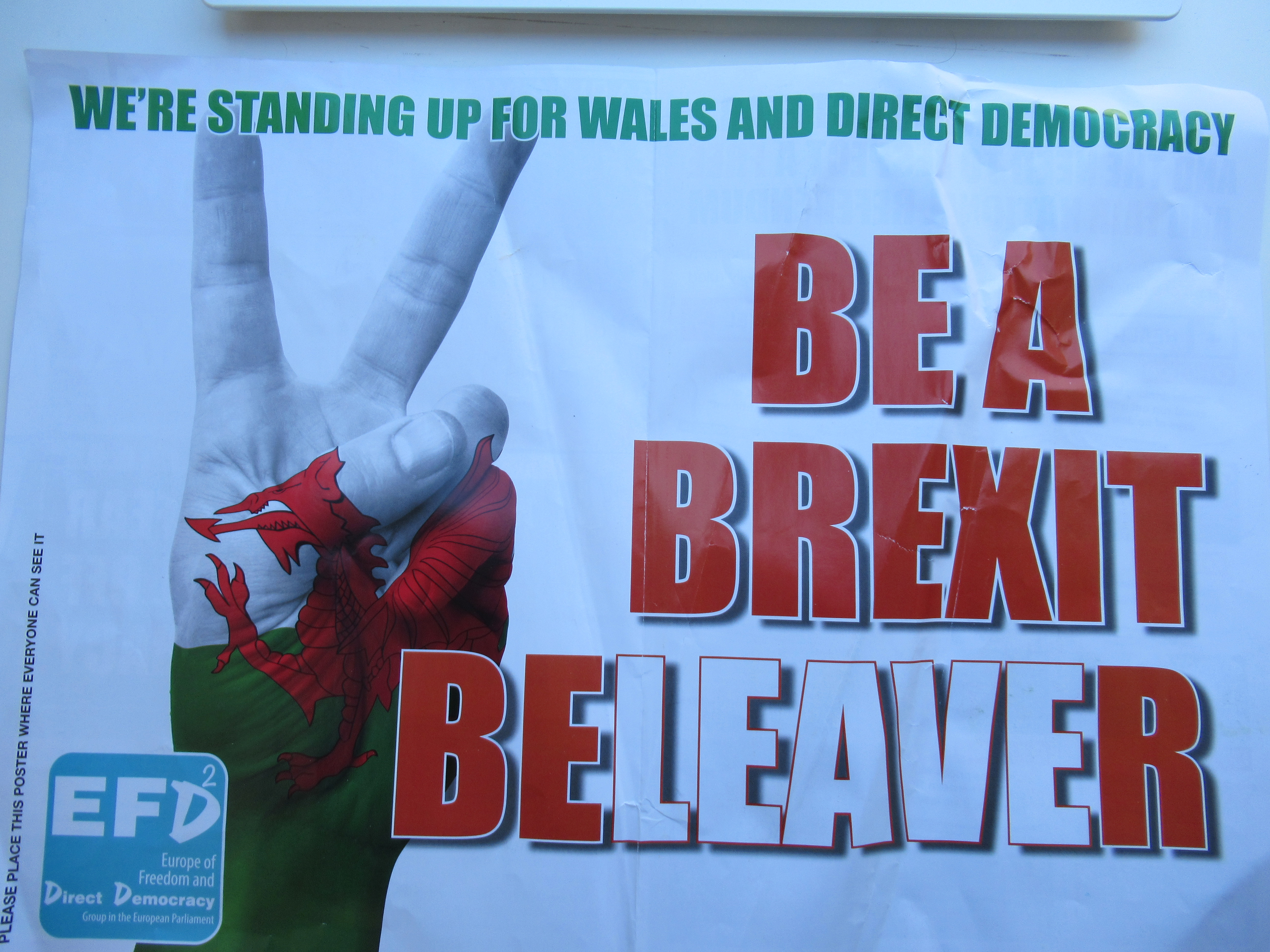
Another interesting printed document has come, uninvited, through our letterbox. It’s an A3 sheet, printed in colour and folded once. Its publisher is an organisation calling itself the EFDD Group in the European Parliament. EFDD, we’re told, stands for ‘Europe of Freedom and Direct Democracy’. In the bottom right-hand corner of page 4 is a…
-
Black boys
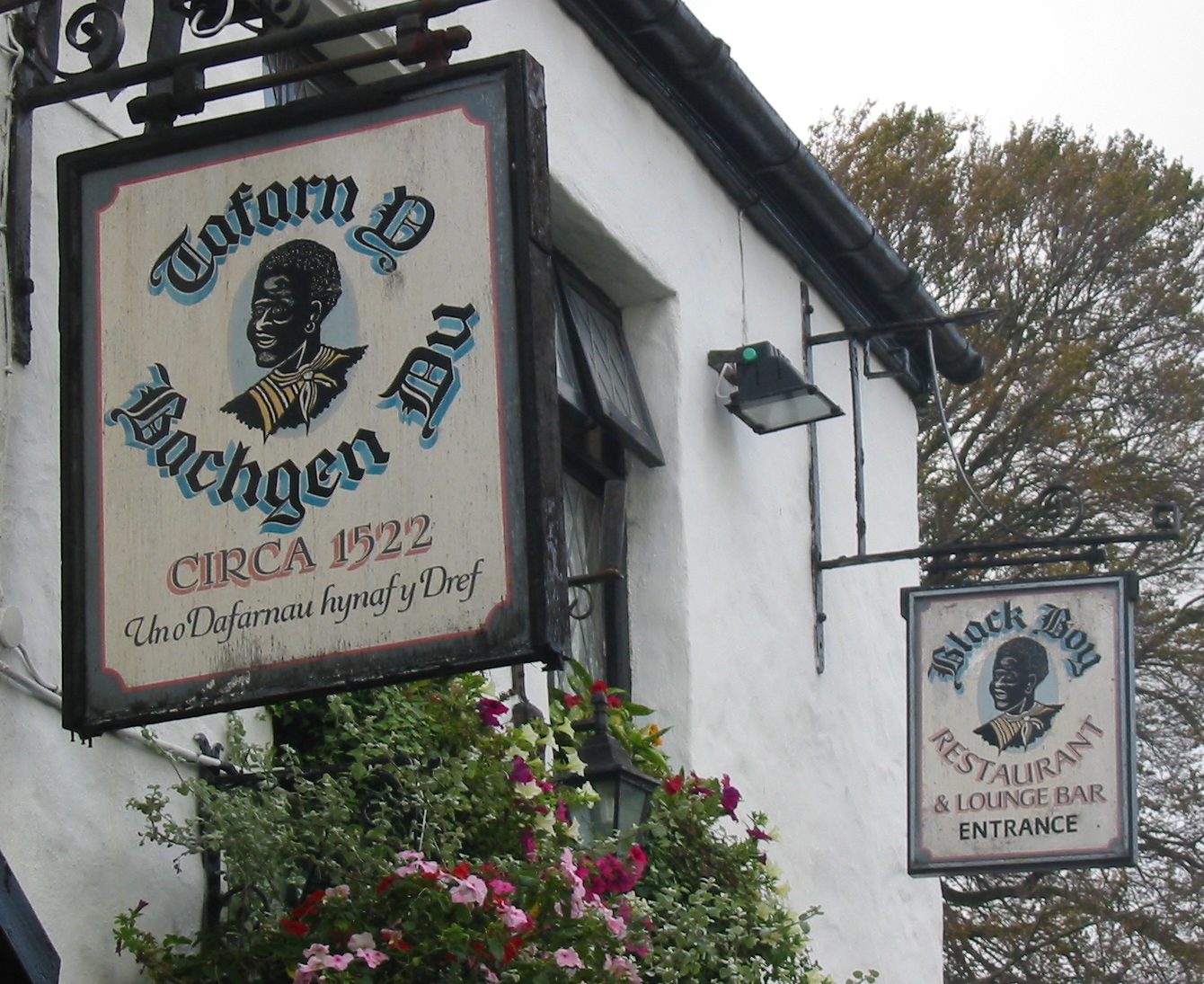
On the way to give a talk in Killay Library in Swansea last week I passed a pub I remembered seeing before. It struck me as odd the first time. Not because of its building or location, but because of its name – The Black Boy. Years ago such a name might not have raised…
-
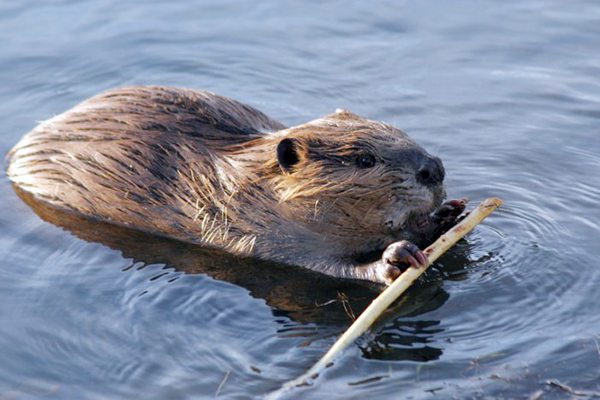
A foxy visitor from Ceredigion
Receiving post through the letterbox doesn’t give the anticipatory thrill it once did. Personal messages are rare. They’re outnumbered by personalised but corporate ones. Today came a special invitation to view a retirement home in another part of Swansea, and the offer of discreet equipment to improve my hearing. Neither of them arrived in response…
-
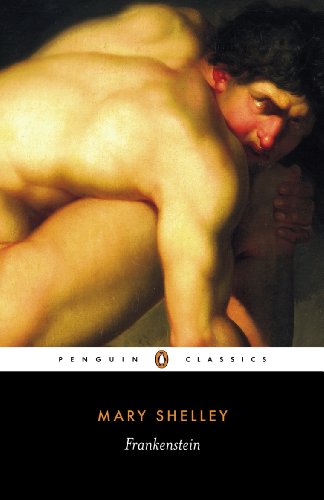
The Monster is us: Mary Shelley on disability
The charity shops of Mumbles are an unending supply of serendipitous reading. Often I pick up books in them that I should have read years, even decades ago. (Another source of overlooked books, by the way, is the excellent podcast Backlisted.) My latest find, from Tenovus, is Mary Shelley’s 1818 novel Frankenstein, in a Penguin…
-
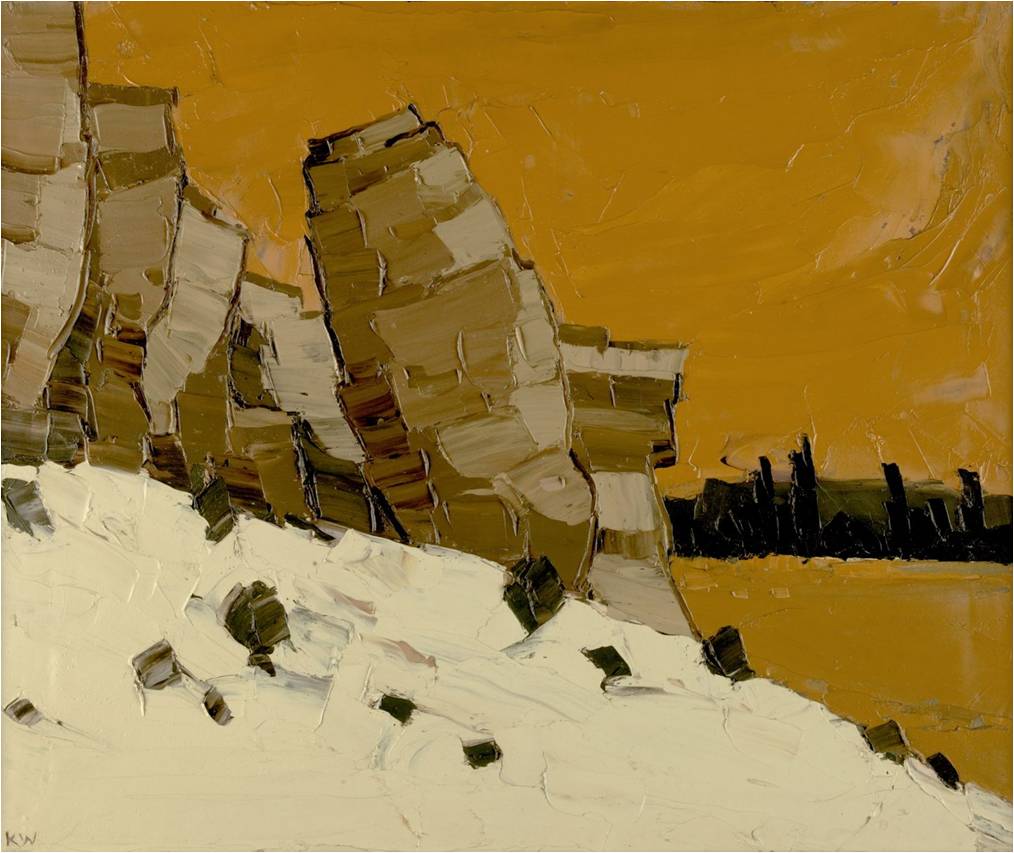
‘Very infuriating, never quite right’: Kyffin Williams yr awdur
Diolch o galon i Ymddiriedolaeth Kyffin Williams am y gwahoddiad i draddodi Darlith Flynyddol Kyffin Williams eleni. Rydw i’n ymwybodol o’r darlithoedd rhagorol gan gyfres hir o siaradwyr eraill ar Kyffin. Maen nhw wedi treulio blynyddoedd yn ymchwilio ac yn meddwl am gelf a bywyd Kyffin. Ni allaf honni fy mod yn un o hoelion…
-
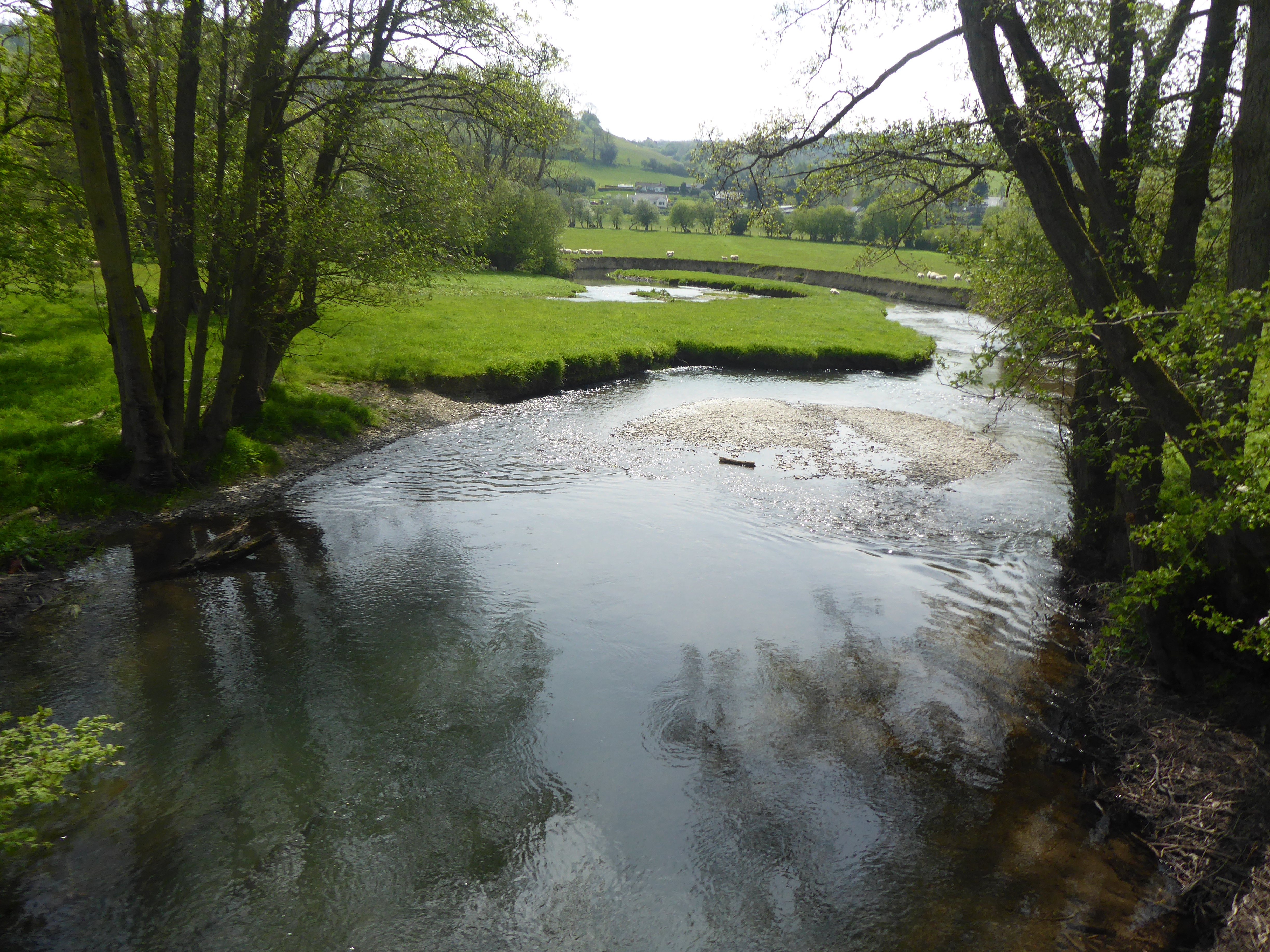
Offa’s Dyke Path, day 8: Kington to Knighton
It’s the last day of the first ‘semester’ of our Offa trip. And it dawns like most of the others, sunny and warm. We buy some sandwiches: there’s nowhere to eat or buy food along the Path ahead. In fact, we won’t go through a single village, just green fields, open land and a few…
-
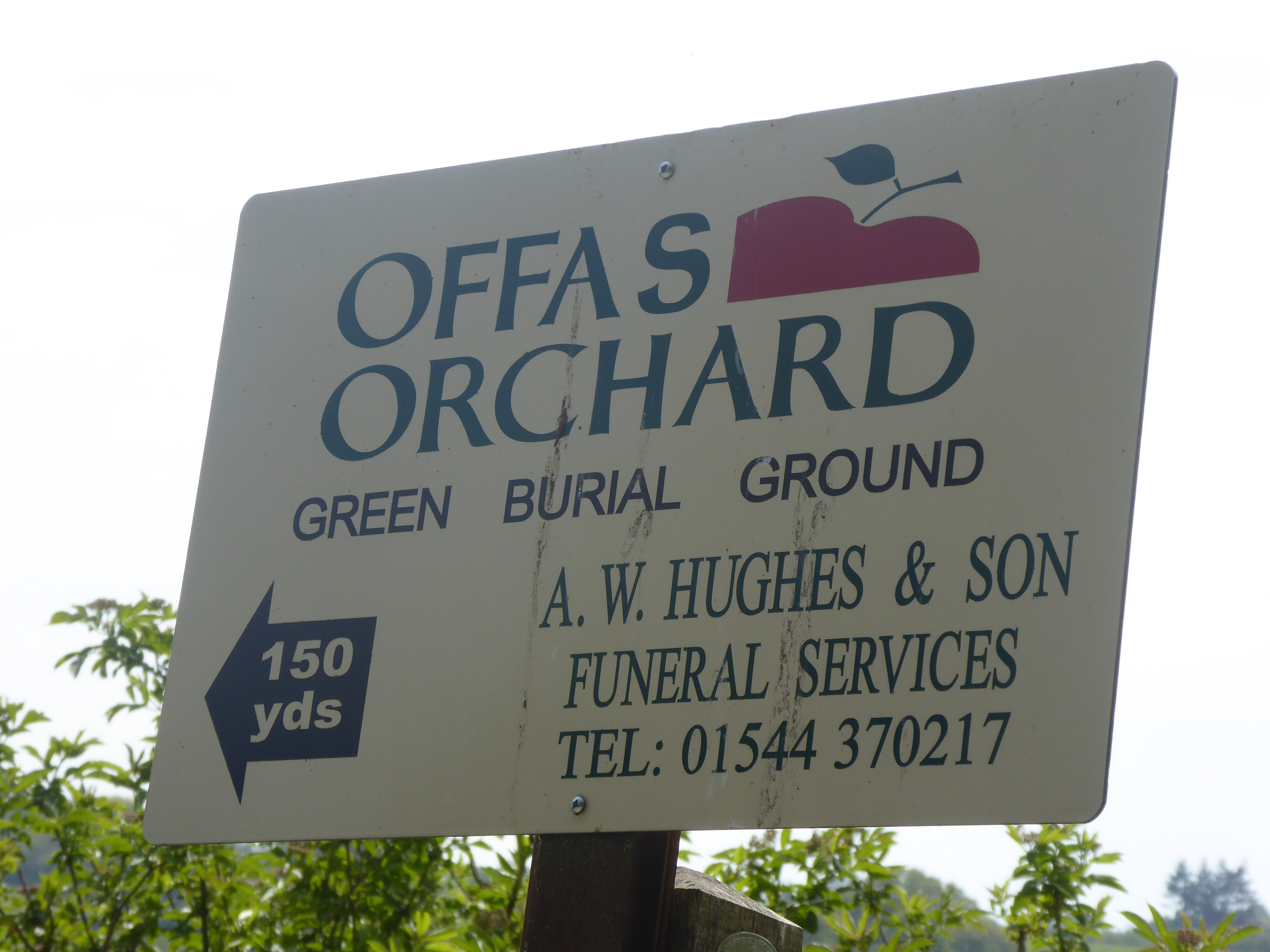
Offa’s Dyke Path, day 7: Hay-on-Wye to Kington
Yet another sunny, warm day. This will be a three-water-bottle day, since it’s fifteen miles to Kington and there won’t be anywhere to eat or buy food en route. C and I pick up supplies from a shop and cross the Wye. Instead of carrying on along the road to Clyro, the Path turns immediately…