Year: 2021
-
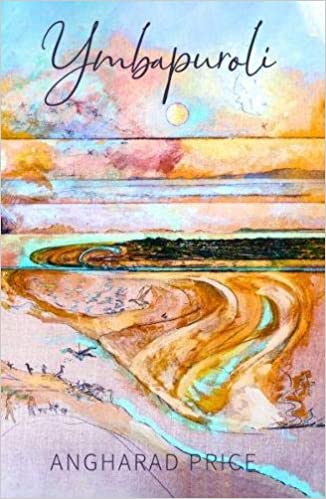
Some books I read in 2021
2021 was another big reading year, thanks to continuing Covid. Some books, especially fiction, arrived thanks to our resuscitated book club – almost all were titles I’d not have thought of taking off the shelf myself, so they were doubly welcome. But here are some 2021 books read out of personal necessity, curiosity or whim.…
-
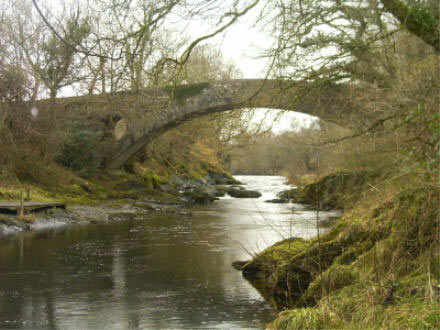
Melesina Bowen’s ‘Ystradffin’
In recent years many Welsh women poets of the past have been rescued from the condescension of posterity, not least in the anthology edited by Katie Gramich and Catherine Brennan. But one of them has so far escaped much attention. In 1839 Melesina Bowen published an unusual topographical poem in English called Ystradffin. It deserves…
-
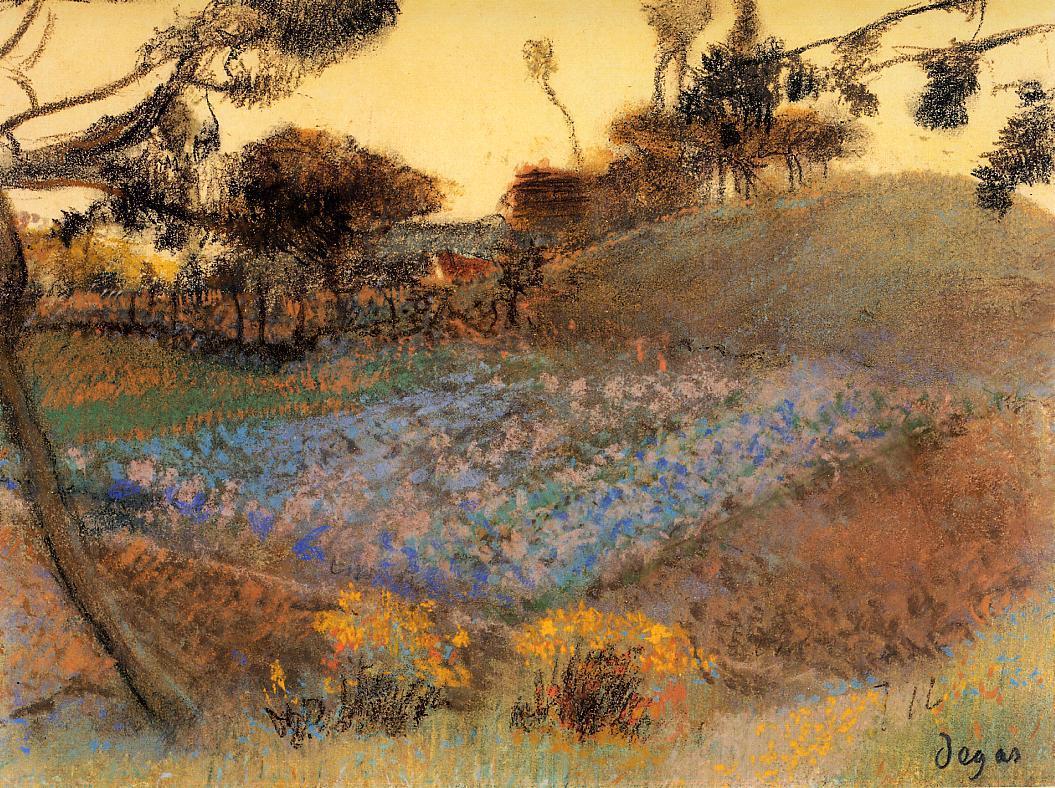
Late style: Edgar Degas looks at a flax field
In 1892 Edgar Degas was around 58 years old. Not old, certainly by our standards, and he had twenty years and more left to live. But the landscapes he painted in the 1890s tend to get called ‘late paintings’, with good reason. Degas was a Parisian, an urban painter, and the works of his youth…
-
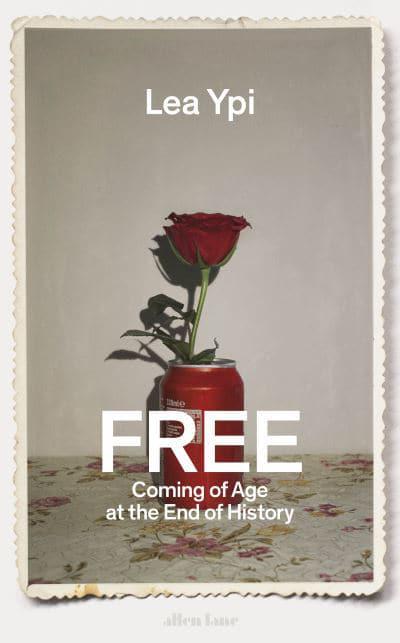
Albania: from Stalin’s knees to pyramid schemes
Lea Ypi’s Free: coming of age at the end of history, published in 2021, is a very unusual book. It’s at once a rite-of-passage memoir – Lea is around eight or nine years old at the start and is about to leave school for university at the end – and a child’s view of one…
-
What are museums for?
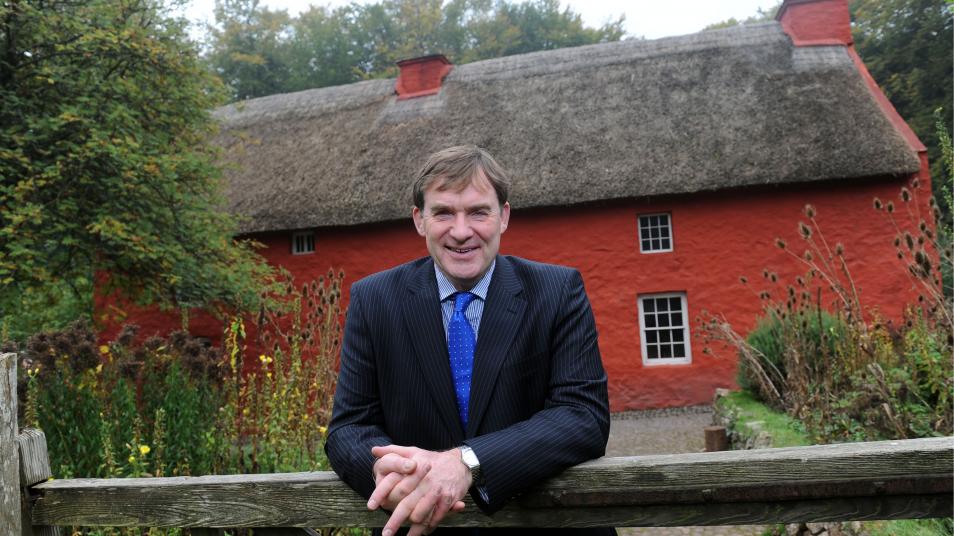
The 2021 Richard Burton Lecture in Swansea University was given this week by David Anderson, Director General of Amgueddfa Cymru (‘Amgueddfa Cymru – National Museum Wales’, to give it its hyper-awkward formal name). His title was ‘Do Welsh museums matter?’ It was a learned and a challenging talk, raising crucial questions about the role of…
-
The alienist
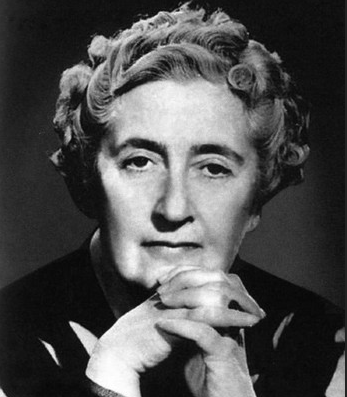
Last week I was felled by a mysterious (non-Covid) illness. The doctor’s best guess was that it was caused by ‘Virus X’, a hard-to-pin-down invader that was powerful enough to wreak temporary havoc with my body. (My father-in-law, who was also a GP, would have written on my notes the letters ‘SKV’, short for ‘Some…
-
Brwydr hir Rachel Barrett
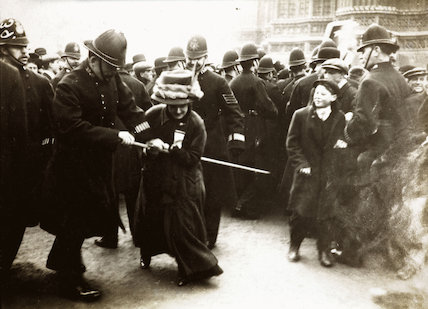
Mae’n ddigon hysbys mai mudiad dosbarth canol, ar y cyfan, oedd y mudiad i ennill y bleidlais i ferched yn y DU yn ystod y blynyddoedd cyn y Rhyfel Byd Cyntaf. Cryfder oedd hyn i’r graddau fod gan yr ymgyrchwyr y sgiliau a’r hyder i ymgyrchu, a mynediad i rwydweithiau cymdeithasol dylanwadol. Ond golygodd absenoldeb…
-
Learning about Welsh history
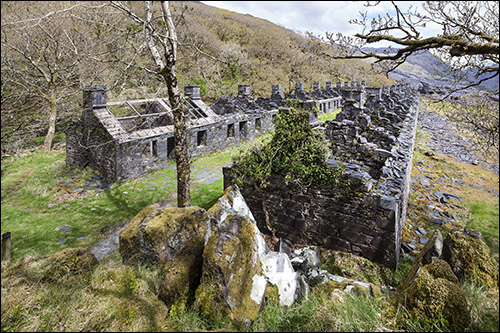
Estyn has published a review of teaching Welsh history in schools, including specifically the teaching of BAME history. It makes gloomy reading for anyone who believes that understanding where we are now in Wales, and where we might be in future, depend on a reasonable knowledge of how we got here. During the last twenty…
-
The black man and the atheist
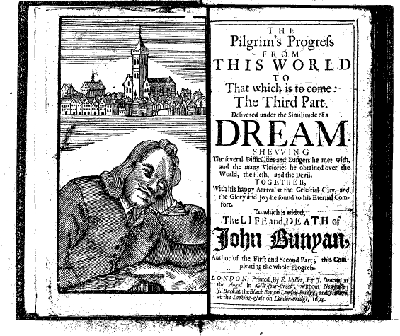
I’ve been reading, for the first time, A pilgrim’s progress. I suspect that’s a rare event these days, at least in this country. It’s easy to forget that John Bunyan’s book was for several centuries the most widely-read book in English, after the Bible, and the English book most often translated into other languages. Calvinists,…
-
Moonrise
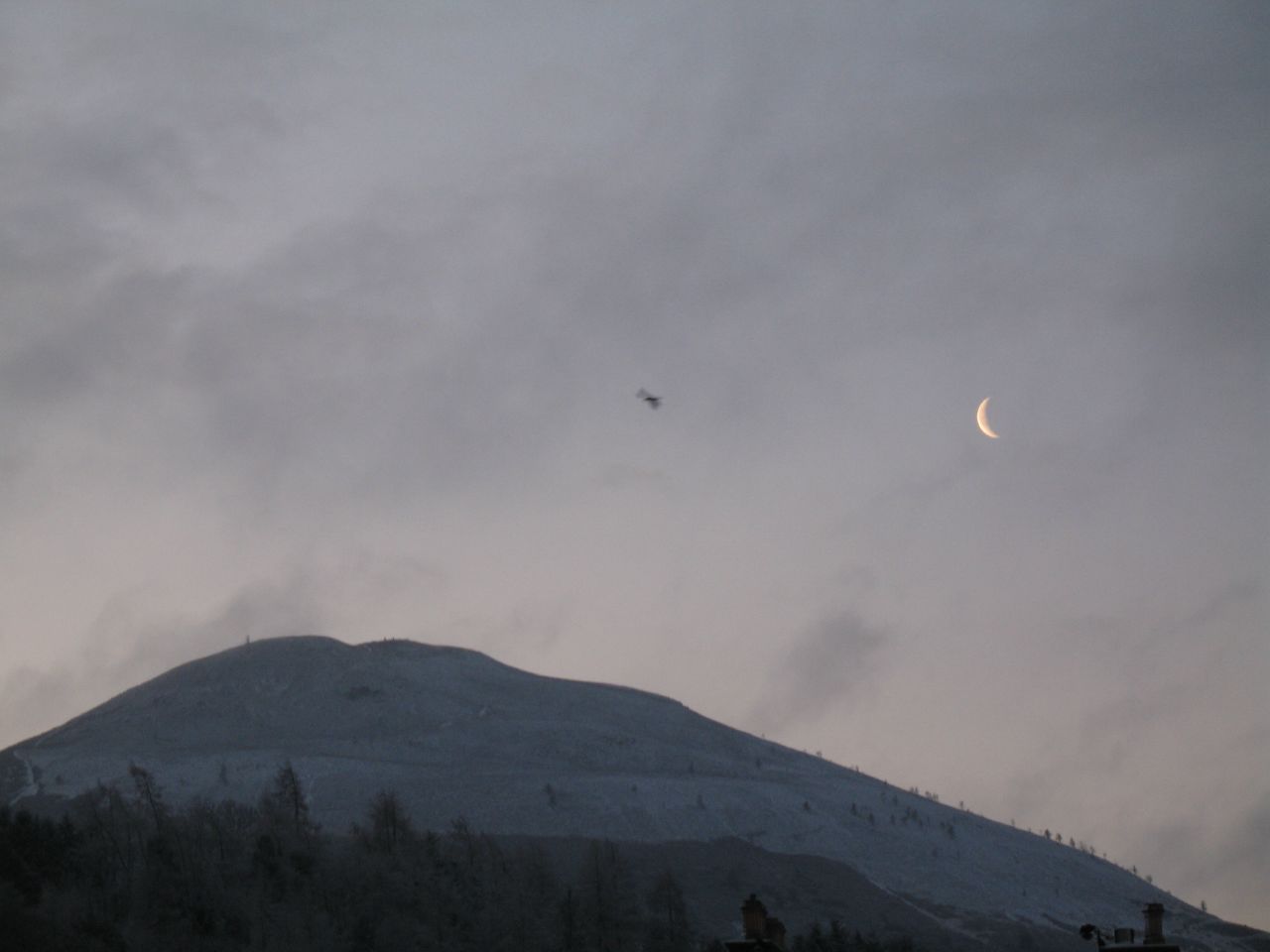
Among the eleven ‘Welsh sonnets’ of Gerard Manley Hopkins are counted some of the outstanding poems written in English in the nineteenth century. They include ‘God’s grandeur’, ‘Pied beauty’ and ‘The windhover’. Hopkins came to live in St Beuno’s College near Tremeichion in the Vale of Clwyd in August 1874 to continue his extremely long…