Author: Andrew Green
-
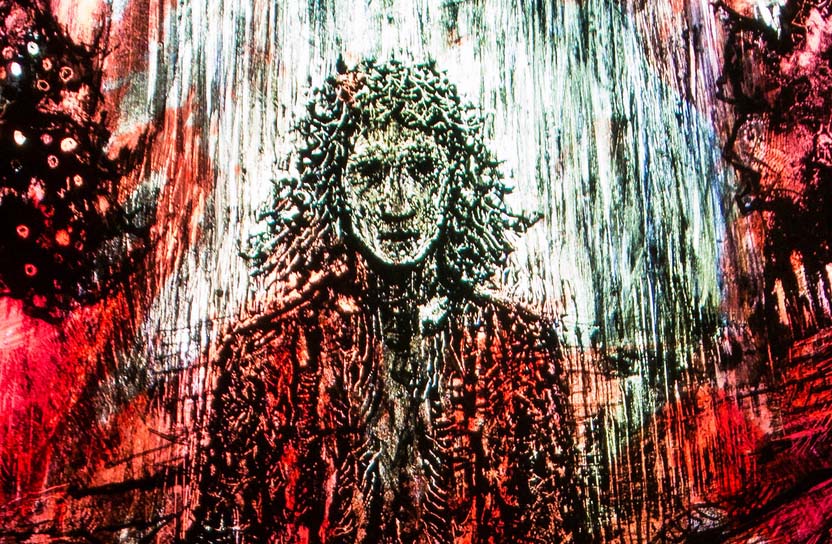
Thomas Traherne goes walking
Today Thomas Traherne is counted alongside George Herbert and Henry Vaughan as one of the great ‘metaphysical’ poets of the seventeenth century. All three, interestingly, were men of Welsh and Welsh Borders origin. Herbert was born in Montgomery, Vaughan came from Llansantffraed near Talybont-on-Usk and returned there to live, and Traherne was probably born in…
-

Kate Bingham and the rotten state
If the case of Dido Harding has become a prominent symbol of the degradation of public life in the UK, few until recently were aware that it has a close second, in exactly the same field of Covid policy: the case of Kate Bingham. Boris Johnson appointed Kate Bingham in May 2020 as the chair…
-
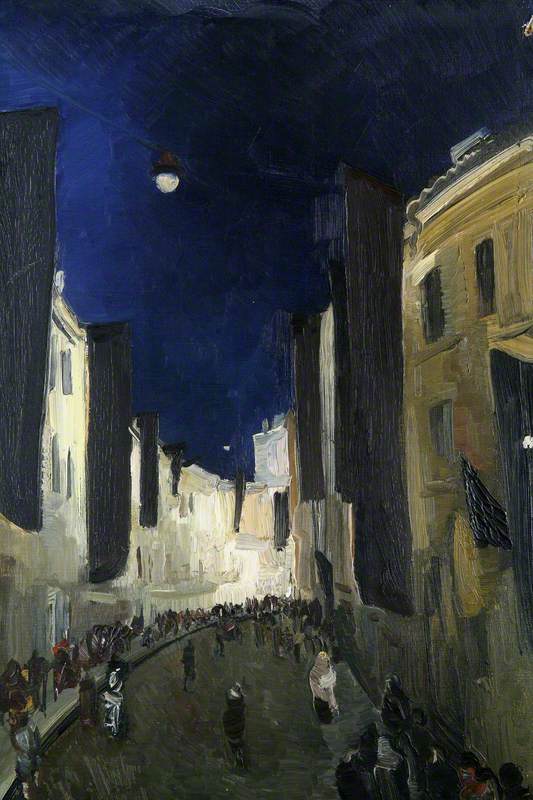
The Black Flag
The Glynn Vivian Art Gallery is closed for ‘firewall’ fortnight, but when it reopens you could do worse than pay it a visit. There are several excellent temporary exhibitions, as well as some seldom-seen items from the permanent collection, including a small display of art on the theme of protest. Its centrepiece is a striking…
-
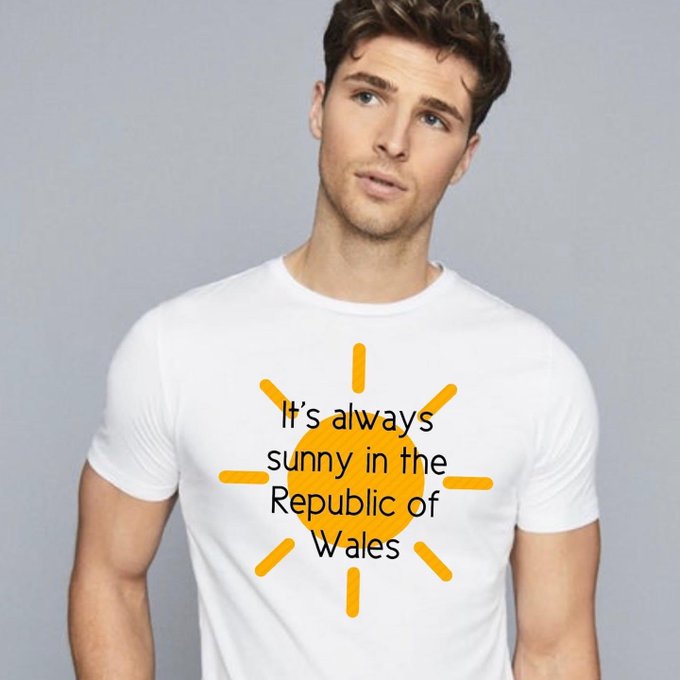
The Republic of Wales
A few days ago a distracted weather presenter on Sky News, missing out a few words of her script, uttered the phrase ‘Republic of Wales’. The news spread quickly round Twitter. There was wide agreement that the phrase had a highly appealing ring to it. So, too, the Welsh version, Gweriniaeth Cymru. Since then I’ve…
-
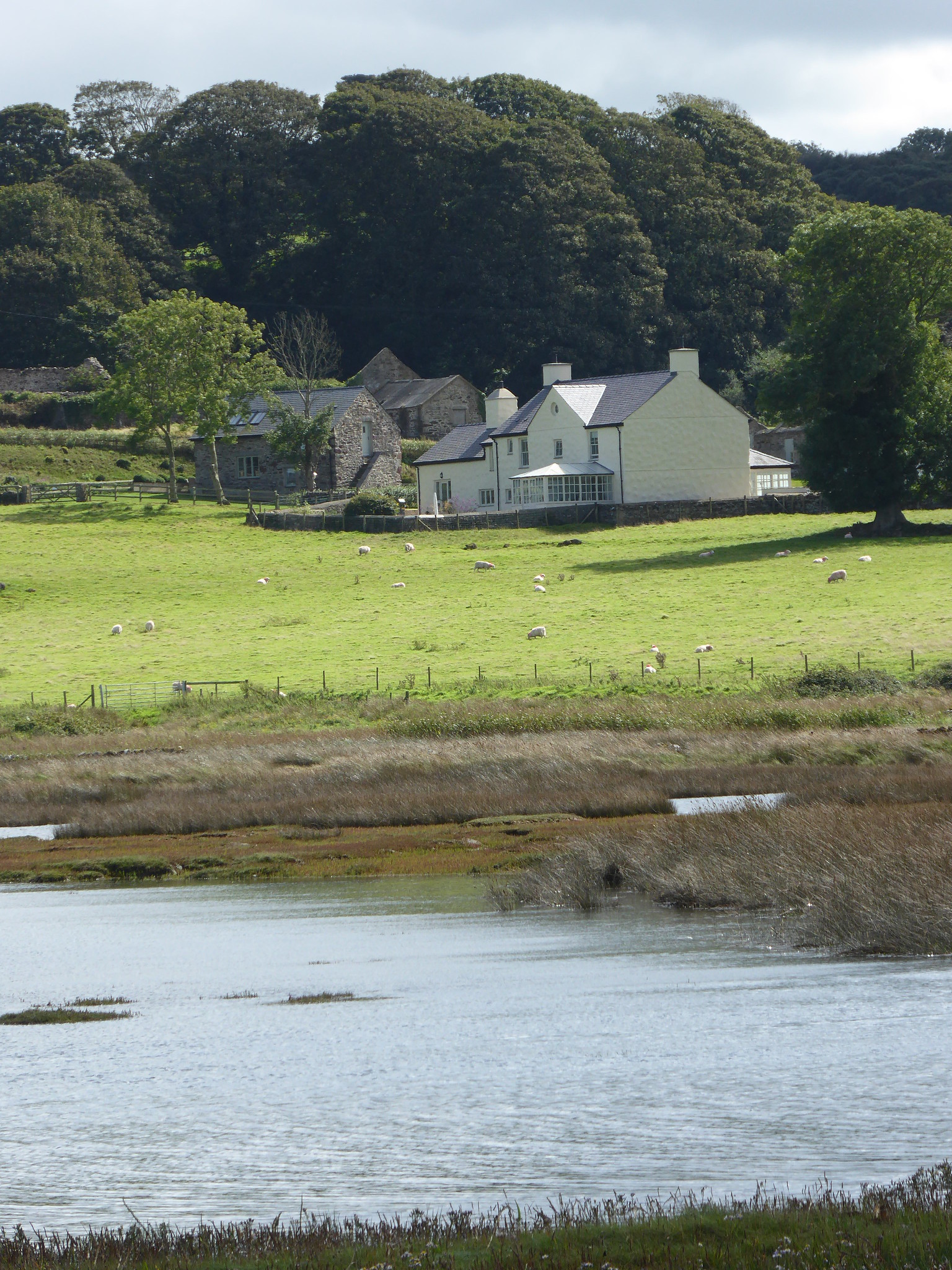
‘Ymharadwys’: Pentre Eirianell
Yn ddiweddar digwyddodd imi fod mewn sgwrs ebost â thenant presennol Pentre Eirianell. Hwn yw’r hen dŷ fferm ar ymyl Bae Dulas ar Ynys Môn lle magwyd ‘Morysiaid Môn’ – Lewis, Richard, William, Elin a Siôn (neu John) Morris – yn gynnar yn y ddeunawfed ganrif. Gwelais i’r tŷ am y tro cyntaf ym Medi…
-
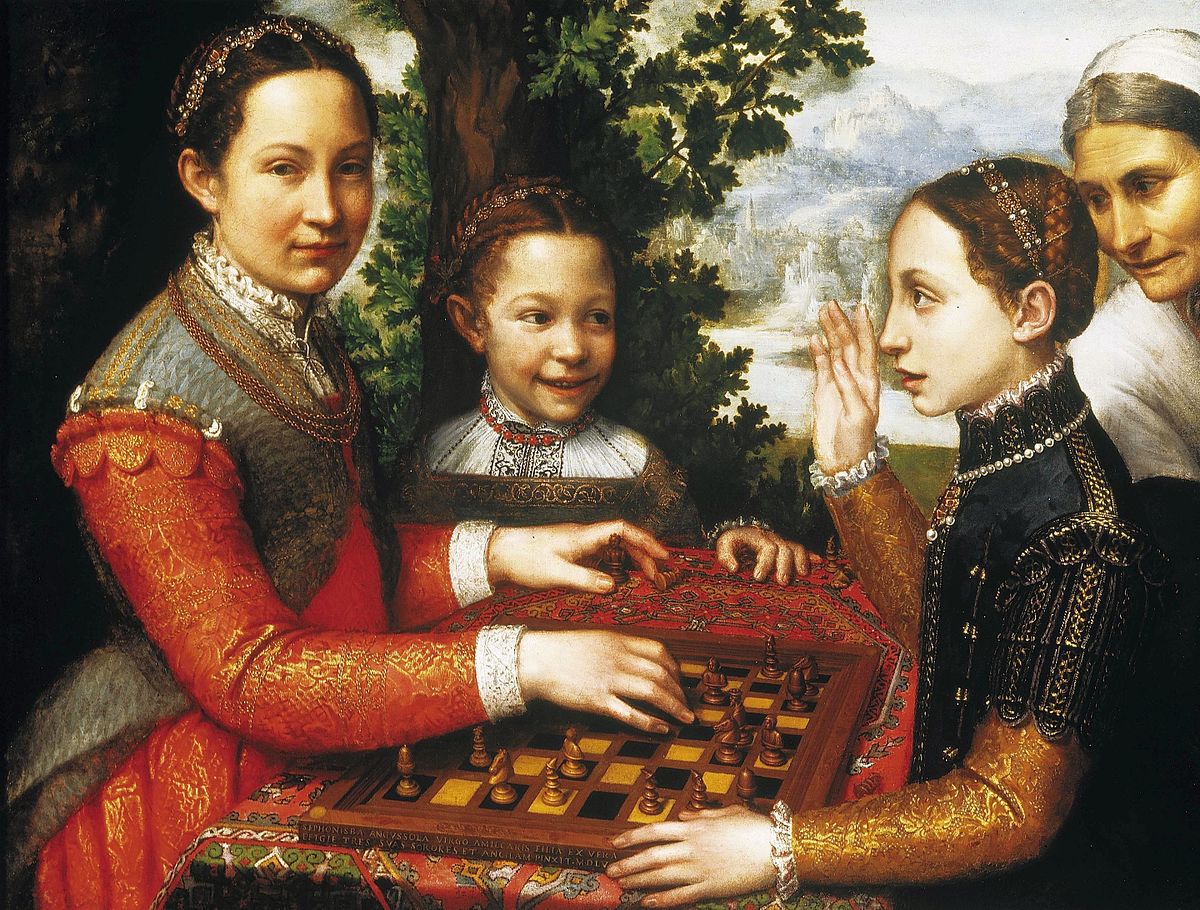
Sophonisba’s game of chess
Not before time, the seventeenth century painter Artemisia Gentileschi is now receiving just acclaim, in response to the National Gallery’s new exhibition in London (alas, out of bounds for those of us who are locked down). Even if her ultra-violent ‘Texas chain-saw massacre’ dramas are too much for you, you can always admire her picture…
-
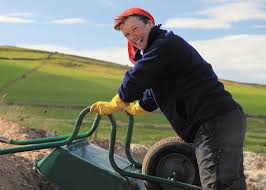
In praise of Kathleen Jamie
The half of me that’s Scots lies buried, and usually dormant. It comes to life when visiting Scotland. But since my parents died, there’s less obvious reason to go, and we’ve not been there for a few years. Sometimes I daydream about moving to live in a newly independent Scotland, released from bonehead, vicious British…
-
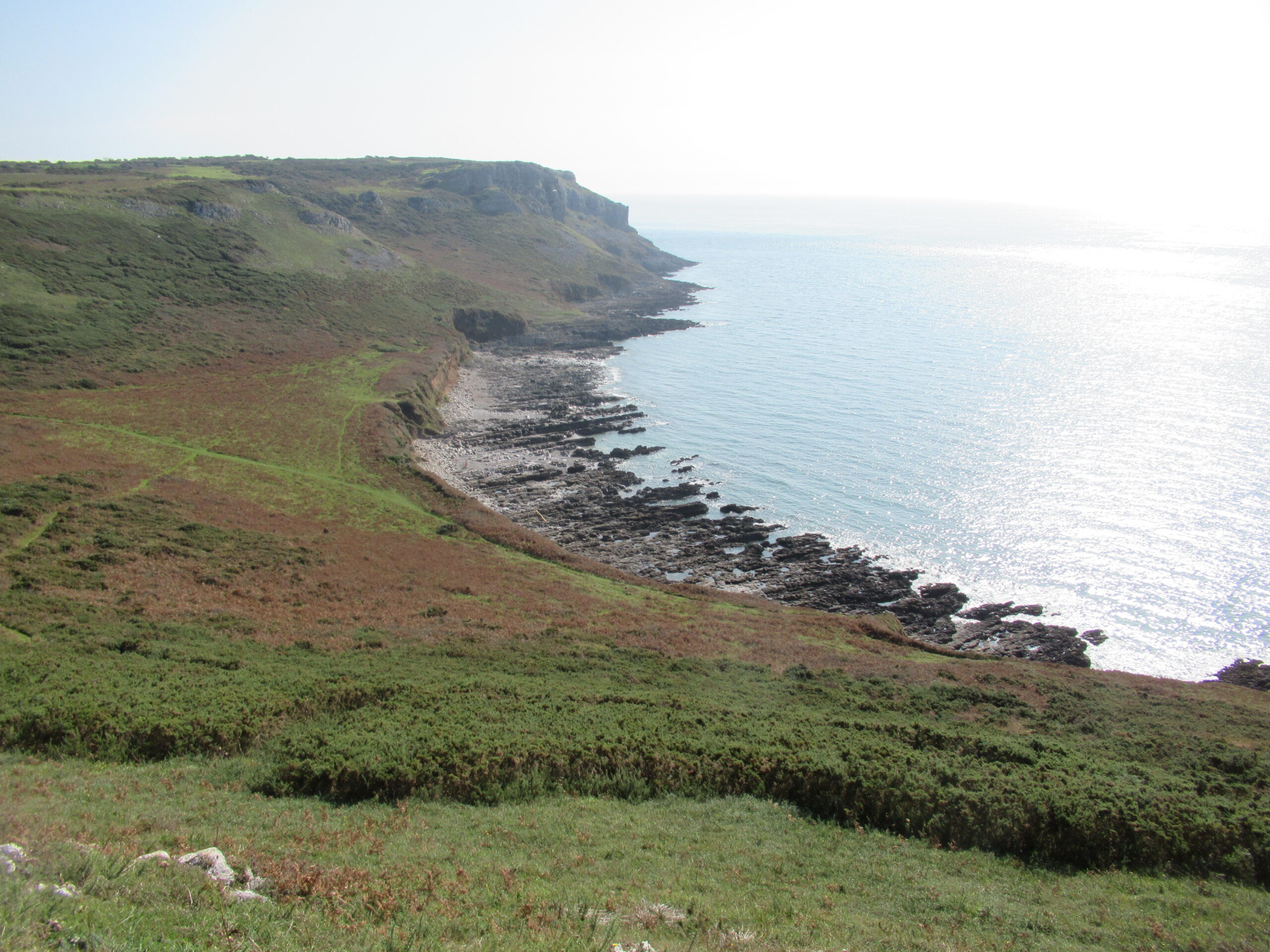
Vernon Watkins: a second visit
This year’s Haf Bach Mihangel, the forecasters say, will come to an abrupt end tomorrow, on the autumn equinox. But today’s a perfect day: hot, with sunshine from dawn to dusk, and only the slightest of breezes. I’m walking the coast to Oxwich. After climbing out of Pwll Du Head the path is easy going,…
-
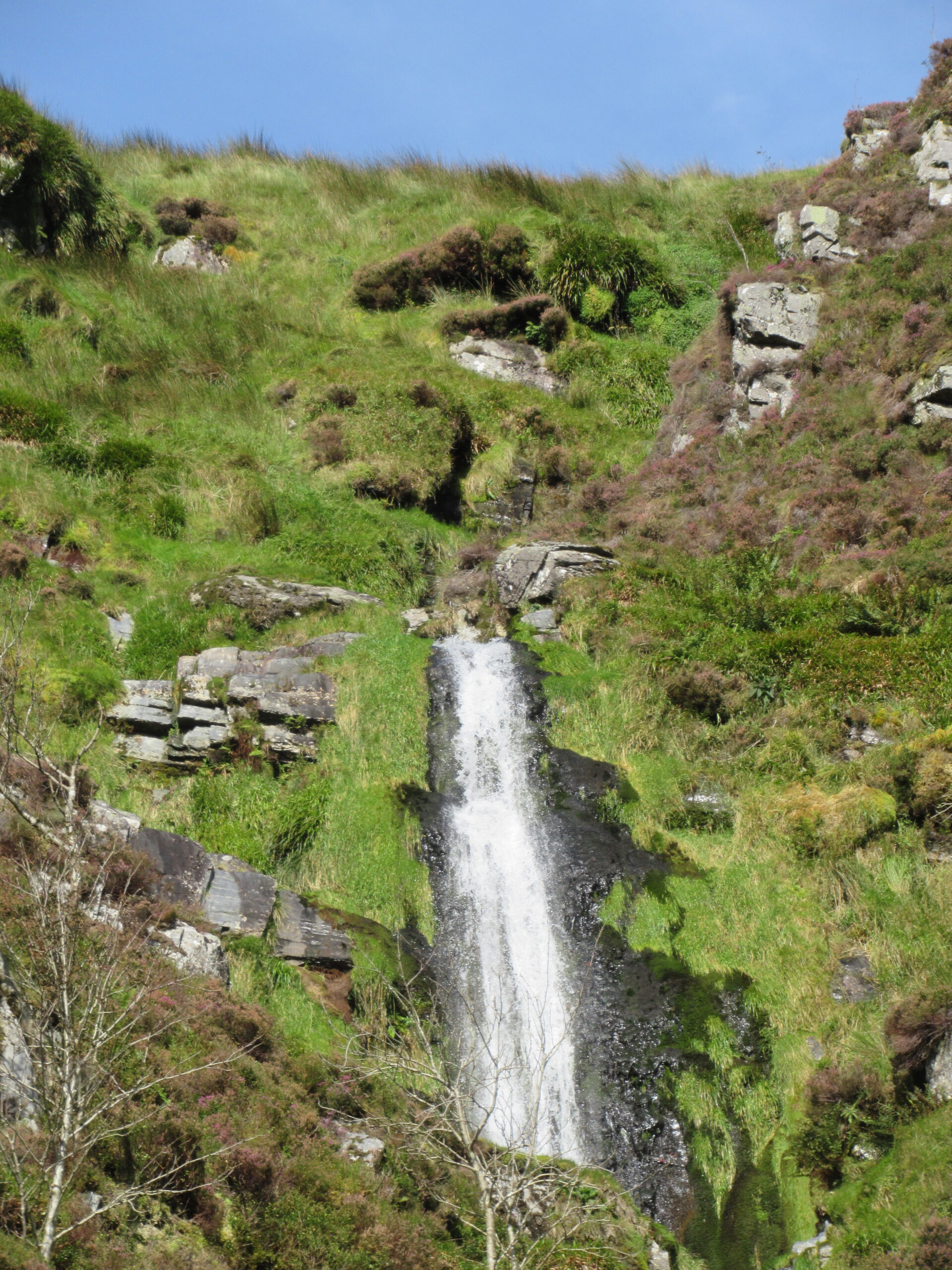
Cwm Amarch
There are places in Wales – places no one would call remote – that few people, even those living here, have visited, or even knew existed. Cwm Amarch, it would be safe to say, is one of them. I got to Minffordd early enough – before ten o’clock. Normally, on a Monday in mid-September, you’d…
-
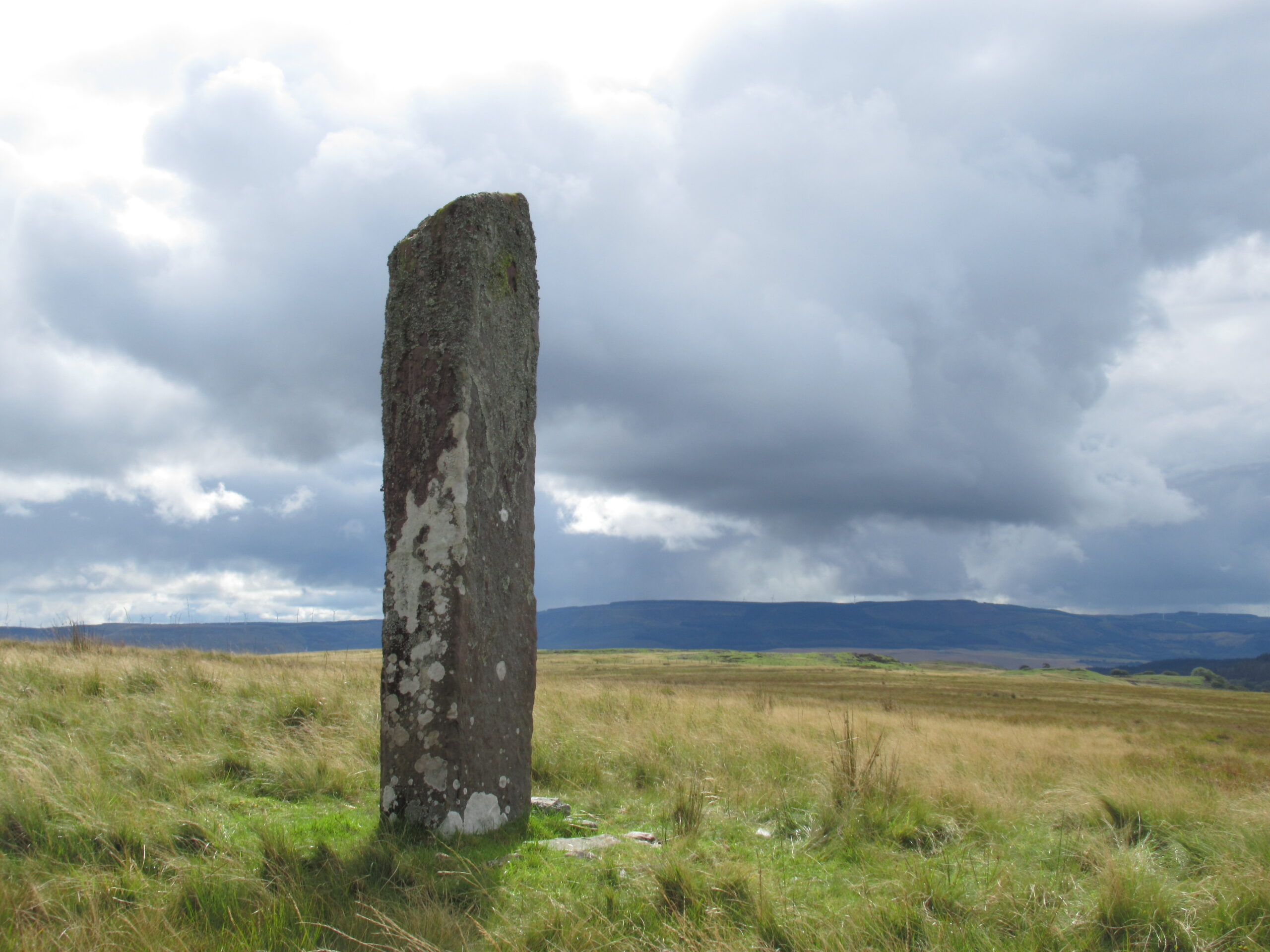
Maen Madoc
We’re on the south slope of the Fforest Fawr, north of Ystradfellte. It’s quiet and still at ground level, but above us clouds rush past from the north; some are innocent, others threaten rain. At Blaen Llia we leave the narrow road that descends Cwm Llia, and follow on foot the Roman road heading south-west. …